What breast cancer experts want you to know
- Most removals of healthy breasts are driven by fear, not medical necessity
- Medical evidence does not support routine removal of healthy breasts
- The decision carries permanent physical and emotional consequences
Many women make the personal decision to consider removing their breasts after learning they carry a rare BRCA genetic mutation, which significantly raises the risk of developing aggressive types of breast cancer.
Other women without a gene mutation may elect to remove a healthy breast because they have been diagnosed with cancer in their other breast and believe it will prevent the cancer from spreading to the healthy breast. Some are simply concerned their breasts may appear lopsided if only one is removed.
In all cases, the decision can be amplified by family history of breast cancer or ovarian cancer — or by the advice and opinions of friends and family members. But the actual medical evidence doesn’t necessarily support removing healthy breasts.
Overcoming fear of a future cancer diagnosis
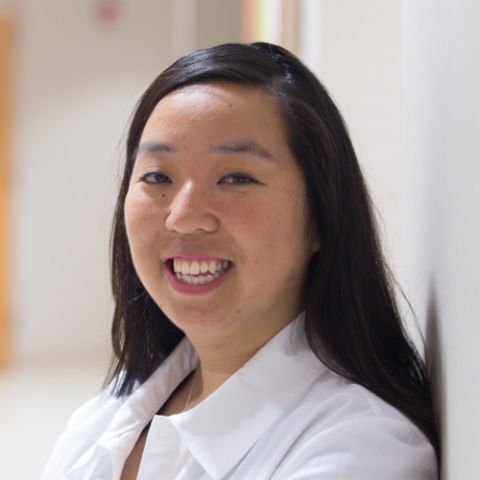
Overall, many women make the hard decision based on “fear and misinformation,” says surgeon Jessica Young, MD, Director of Breast Cancer Risk and Prevention Program at Roswell Park Comprehensive Cancer Center.
“I tell them all the statistics, and I really try to give them a realistic view about how they will look and how they’re going to feel and how it doesn’t really make a difference in survival,” she says. “To be fair, even if you have this conversation… they usually say, ‘I still want to do a double mastectomy.’”
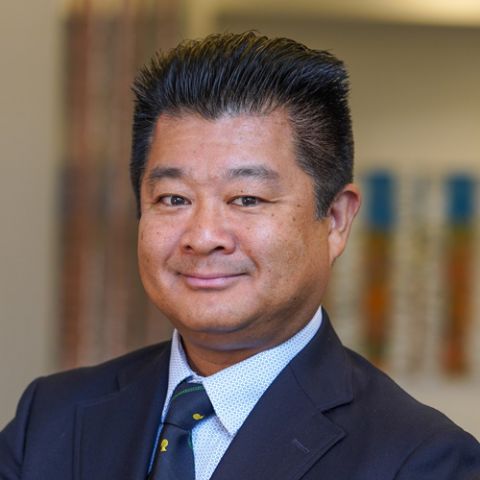
Kazuaki Takabe, MD, Chief of Breast Surgery at Roswell Park, admits that receiving a diagnosis of breast cancer is scary, because it can and does spread. Breast cancer can metastasize to your lungs, bones, lymph nodes, brain and liver — but not to the opposite breast.
“As physicians, we do understand the fear and how people feel. Some patients feel if they take off the other breast, they’ll have a zero percent chance of developing cancer. Well, there’s no such thing,” Dr. Takabe says.
He stresses that patients should be fully aware that a double mastectomy involves surgery and that the choice to undergo that surgery should be taken seriously, because any surgery comes with risks.
“There are risks to removing healthy breasts,” Dr. Takabe says. “Operations are not like changing a tire. There is cutting and stitching, and with any surgery, there is a risk of bleeding and infection.”
Patients with certain BRCA gene mutations, or a PALB2 gene mutation, where there is a higher risk of cancer developing in the opposite breast, may be medically advised to remove the healthy breast. Women who may want symmetry after removal of one breast may also decide to have the healthy, opposite breast removed.
However, decades of research show there is no science to support removing a healthy breast that does not have cancer to prevent cancer from spreading to the other breast.
For many, a lumpectomy that removes the tumor and a margin of healthy tissue and treating the remaining breast with radiation is now a viable therapeutic option for breast cancer. There are also new immunotherapies and combination therapies that have proven effective in treating aggressive types of breast cancer such as those that have high levels of a protein called human epidermal growth factor receptor 2 (HER2).
“The majority of people who are removing both of their breasts, including one that’s usually healthy, don’t have a gene mutation,” Dr. Young says. “If you get cancer in both breasts, which is very unusual, they would most likely be separate cancers and treated separately in different ways.”
Get a second opinion at Roswell Park
An evaluation by a multispeciality team, who focus on breast cancer risk and diagnosis, is important before deciding your next steps.
Be well-informed before you decide
Both Dr. Young and Dr. Takabe say it is important that young women be well informed before undergoing elective mastectomies. Even with breast reconstruction, the decision affects physical sensations and feelings and will reshape how you relate to and feel about your body. If you are within child-bearing age, you will be unable to breastfeed, so the decision is not to be taken lightly.
Roswell Park can help you evaluate other options as well. For example, if you worry about your breasts being “lopsided” after receiving cancer treatment in one breast, you may want to consider other types of plastic & reconstruction surgery such a as a lift, augmentation or other procedures aimed at achieving symmetry.
If you worry about your breast cancer risk due to your family history of breast, ovarian and other cancers, Roswell Park has a High-Risk Breast Cancer program that can help. The program will assess what your risk really is, monitor your health with appropriate screenings and provide expert guidance on your way forward.
Roswell Park respects and supports your decision
Dr. Takabe wants patients who are considering having one or both healthy breasts removed to know they are not alone in making that decision.
“There are many people who feel that way. But we strongly recommend that you gather enough information to make a decision that you do not regret in the future,” he advises.
Whatever you decide is right for you, Roswell Park’s team of breast cancer experts from different medical specialties — surgical, medical and radiation oncologists, diagnostic radiologists, pathologists, nurses and experts in genetics, nutrition, rehabilitation medicine and more —will be there to provide support and information.
Dr. Takabe says, again, that Roswell Park physicians understand the fear connected to considering the removal of healthy breasts. But Roswell Park’s mission is not only to provide comprehensive and innovative breast cancer treatment, but to provide comprehensive cancer information that enables patients to make informed decisions, with their doctors, about their individual care.
“We are here for the patient,” he says. “If you make your own decision with your calm mind, we are here to help you.”