- Historical trauma contributes to higher rates of health issues including cancer.
- Changes in coping and diet increase health risks.
- Community-based navigators help rebuild trust.
There are countless reasons a person might develop medical issues like cancer. There are also many reasons why they might not trust health advice provided by someone who does not look like them.
But what if that mistrust and those health issues had similar roots? Tackling this problem is where the Department of Indigenous Cancer Health, at Roswell Park Comprehensive Cancer Center, comes in. The only department of its kind in the country, it focuses on studying cancer in Indigenous populations and sharing vital education and resources to help reduce their risk of developing cancer and rebuild trust with healthcare institutions.
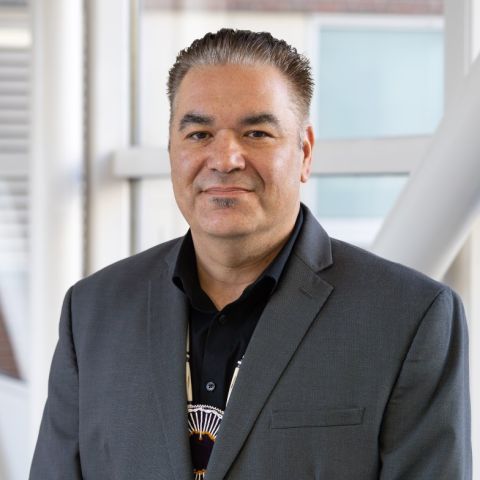
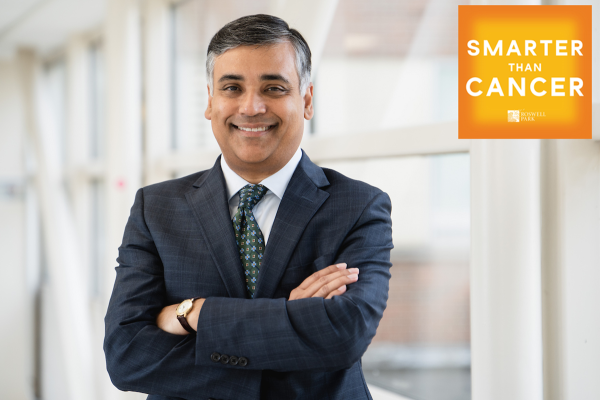
“The fact is that the United States and tribal nations have nation-to-nation relationships. It isn’t just, hey, we’re going to a community, but it’s actually, you’re working with a whole sovereign nation. There are cultural nuances,” explains Rodney Haring, PhD, MSW, the department’s chair.
Carrying generational trauma
It’s also important to understand the history of Indigenous people and their difficult relationship with the United States, a history that includes children who were taken from their families to be raised and educated at boarding schools, also called residential schools, and difficulty accessing the kind of healthy foods that weren’t in plentiful supply on the reservations that many Indigenous communities have called home for generations.
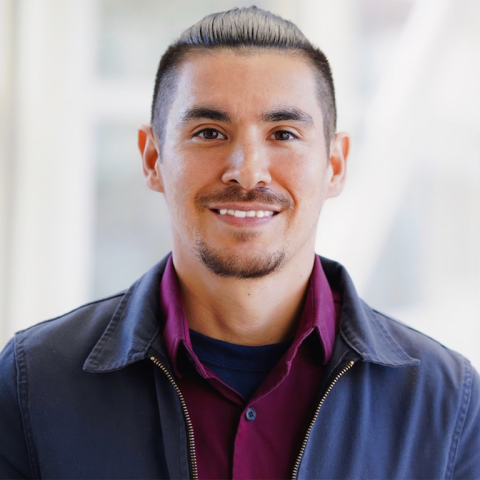
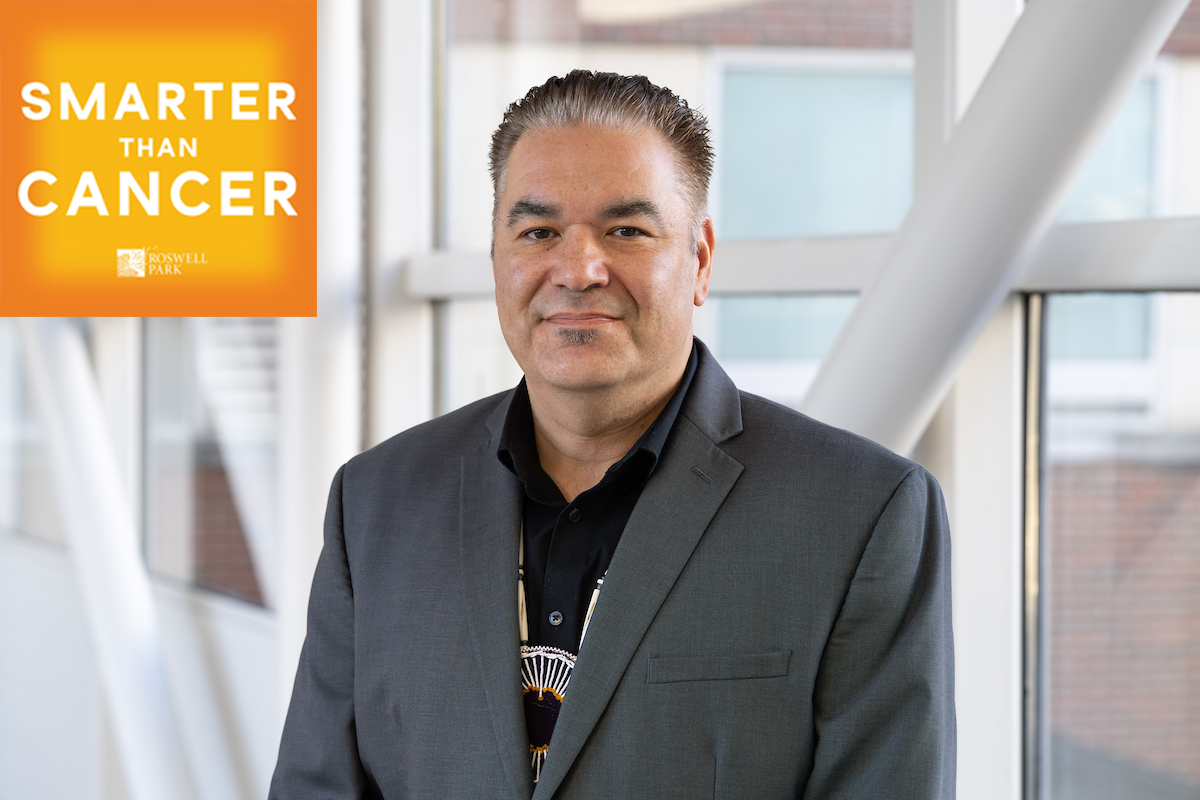
“If we look deeper as to why Native people have higher rates of anything, I look at trauma,” says Will Maybee, a Community Outreach and Engagement Coordinator with the Department of Indigenous Cancer Health. “The impact of trauma runs generations. What happens when we’re traumatized?”
People turn to what they have available to comfort themselves, including food, tobacco and alcohol, all of which can play a role in developing cancer. Additionally, Indigenous people traditionally ate foods they collected and hunted themselves, in addition to using medicines that were passed down through their community. Access to those foods and medicinal practices has “drastically changed over time,” he says.
This isn’t ancient history, Maybee adds. “When I look at the impact that our history has had on our people – and when I say our people, I mean all Indigenous people – and being disenfranchised, how that impacted our health and quality of life, it starts making sense to me.”
Navigators help to rebuild trust
His work, which involves going to Indigenous communities across Western New York and the United States and, for Dr. Haring, internationally, also provides the opportunity to share cancer research and health advice from someone who looks like his audience.
“I feel it’s an obligation to address these (health, education and food access) disparities through my work," Maybee says. "One of the reasons it’s challenging to address these problems is that there’s a long history of doctors and researchers coming to these communities proclaiming good intentions, but it’s actually doing deep harm. It’s created a cultural memory of betrayal and a deep-seated mistrust of institutional healthcare and medical research.”
Even when he or Dr. Haring, or other patient navigators on their team, try to gain access to organizations and people on Indigenous lands, they’re met with skepticism and sometimes turned away.
“Even though we live in the communities we work in, we work at a hospital that’s state-funded, and for our communities, there is contention between state governments and the tribal governments. We’re part of that entity, whether we like to admit it or not. Therefore, we can be looked at as part of the problem. We can take all of these wonderful programs, present them to the community and they say ‘We don’t want it.’ Each conversation we have with a participant in one of our programs, our studies or our patient navigation program, we are re-instilling trust.”
Dr. Haring agrees. “Having navigators that are from the community… actually situated in the community context, from the community, working with the community, (who) understand the language, understand the culture, understand the ceremonies, understand the spirituality of care. That is really the key to the success of our program,” he says.