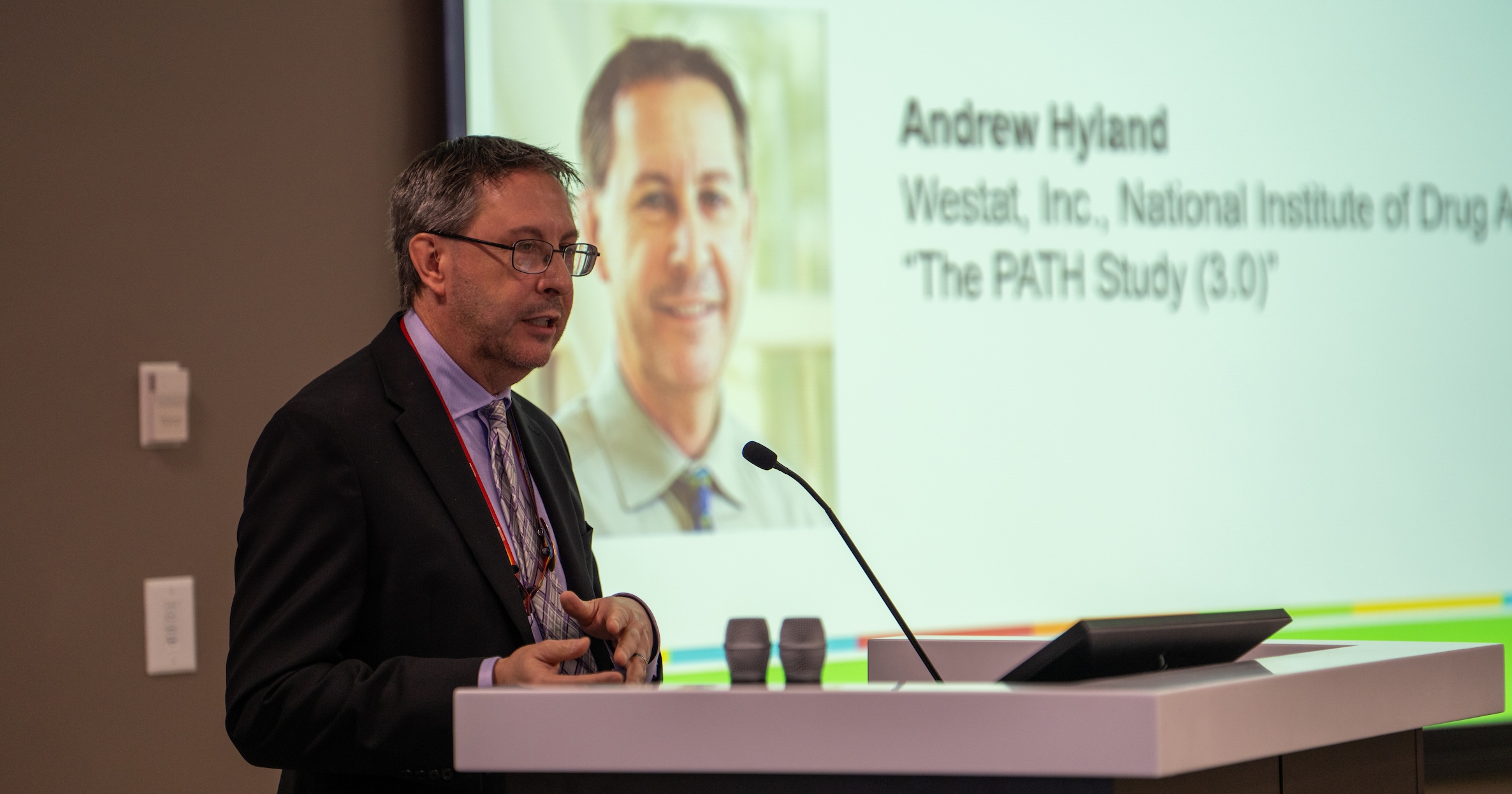
Translating cancer science into prevention and intervention
How can we reduce the burden of cancer in the population?
Cancer affects individuals, families, and communities across the entire continuum, from the factors that shape cancer risk to screening and early detection, treatment, survivorship and quality of life. At Roswell Park, we study how commercial tobacco products, environmental and occupational exposures, genetics, health behaviors, social conditions, and access to healthcare influence who develops cancer, how early it is detected and what happens after a diagnosis.
Scientists in Roswell Park’s Population Sciences Program combine epidemiology, behavioral science, molecular research, community engagement and population-based data to better understand the causes and progression of cancer. We translate these discoveries into practical approaches that prevent cancer, increase participation in evidence-based screening, improve early detection, and help patients and survivors live longer, healthier lives.
We also examine why the burden of cancer is not shared equally. Communities with fewer resources and groups that have historically faced barriers to prevention, screening, treatment and survivorship care often experience worse cancer outcomes. By working with patients, clinicians, community partners and policymakers, our multidisciplinary teams develop and evaluate interventions designed to close these gaps and ensure that scientific progress benefits everyone.
Our goal is to generate knowledge that leads to measurable improvements in population health, including fewer preventable cancers, earlier diagnoses, better treatment outcomes, improved quality of life for survivors, and reduced cancer disparities in Western New York and beyond.
Recognized for exceptional science and impact
In its most recent review by the National Cancer Institute (NCI), Roswell Park’s Population Sciences Program received an “Exceptional” rating, the highest rating possible. This recognition reflects the strength and significance of our science, the collaborative and multidisciplinary nature of our research and our success in translating discoveries into approaches that change cancer prevention, screening, care, and survivorship practice. It also recognizes the program’s contributions to advancing scientific paradigms and reducing the burden of cancer in the population.
Roswell Park as an organization earned the NCI’s highest possible “Exceptional” rating during its 2024 Cancer Center Support Grant review, following an in-depth evaluation by an external panel of cancer experts.
Program goals
The overall goal of the Population Sciences Program is to decrease cancer morbidity and mortality through the identification of exposures and genetic factors that affect cancer risk and prognosis and to develop primary, secondary, and tertiary cancer prevention interventions.
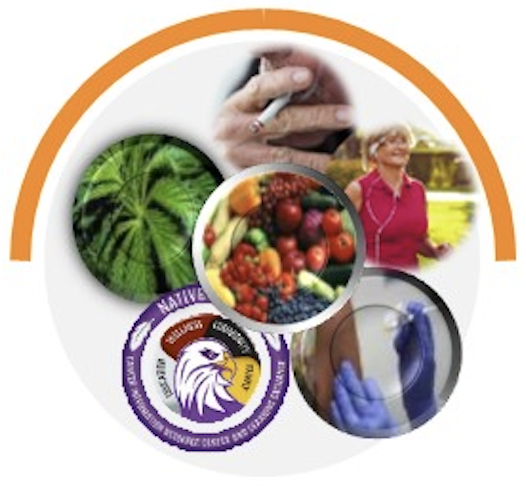
Aim 1: Primary prevention
To reduce cancer risk by intervening on modifiable risk factors, especially the burden of smoking-related cancers, with research efforts focused on the individual, regional, national and global levels.
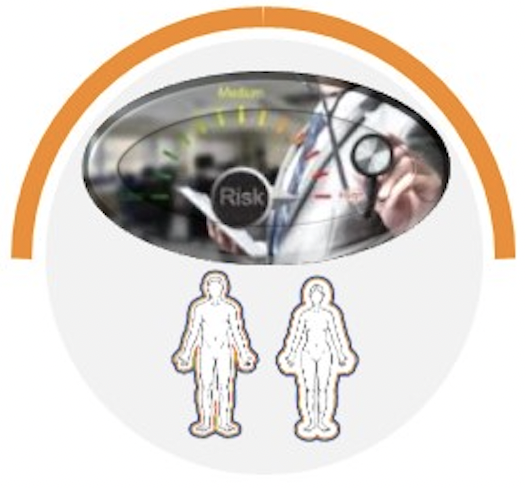
Aim 2: Understanding risk
To use molecular epidemiology to elucidate cancer risk and underlying biologic mechanisms.
Aim 3: Treatment outcomes
To investigate factors that influence cancer treatment outcomes, for insights into interventions to enhance quality of life and improve survival in our cancer patients.
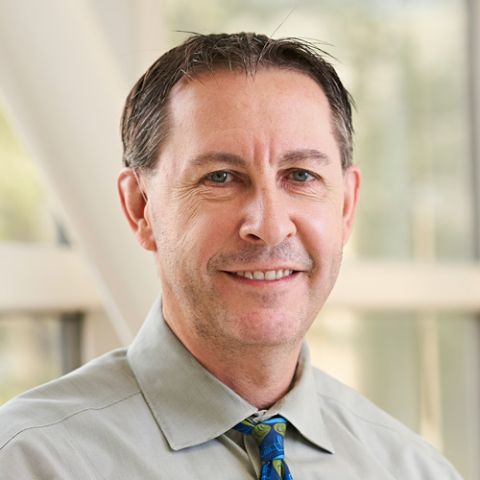
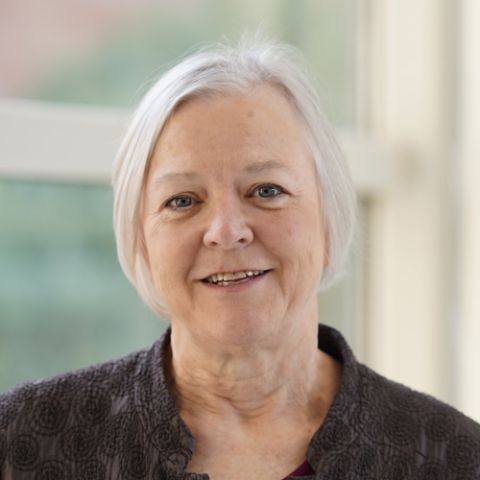
Program highlights
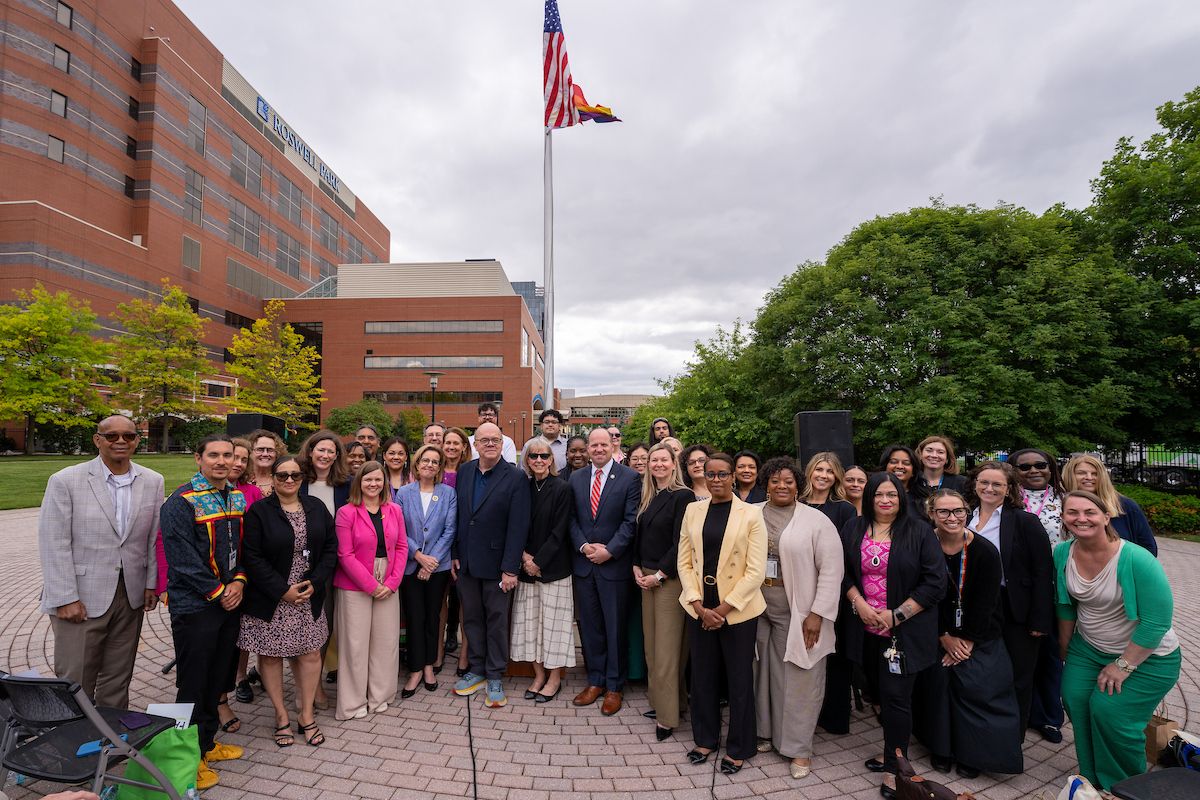
Recognition by Congressional Families® Program for cancer prevention and early detection efforts
“Roswell Park’s commitment to meeting communities where they are — from mobile screening to Indigenous cancer health programs—is helping close critical gaps in care.”
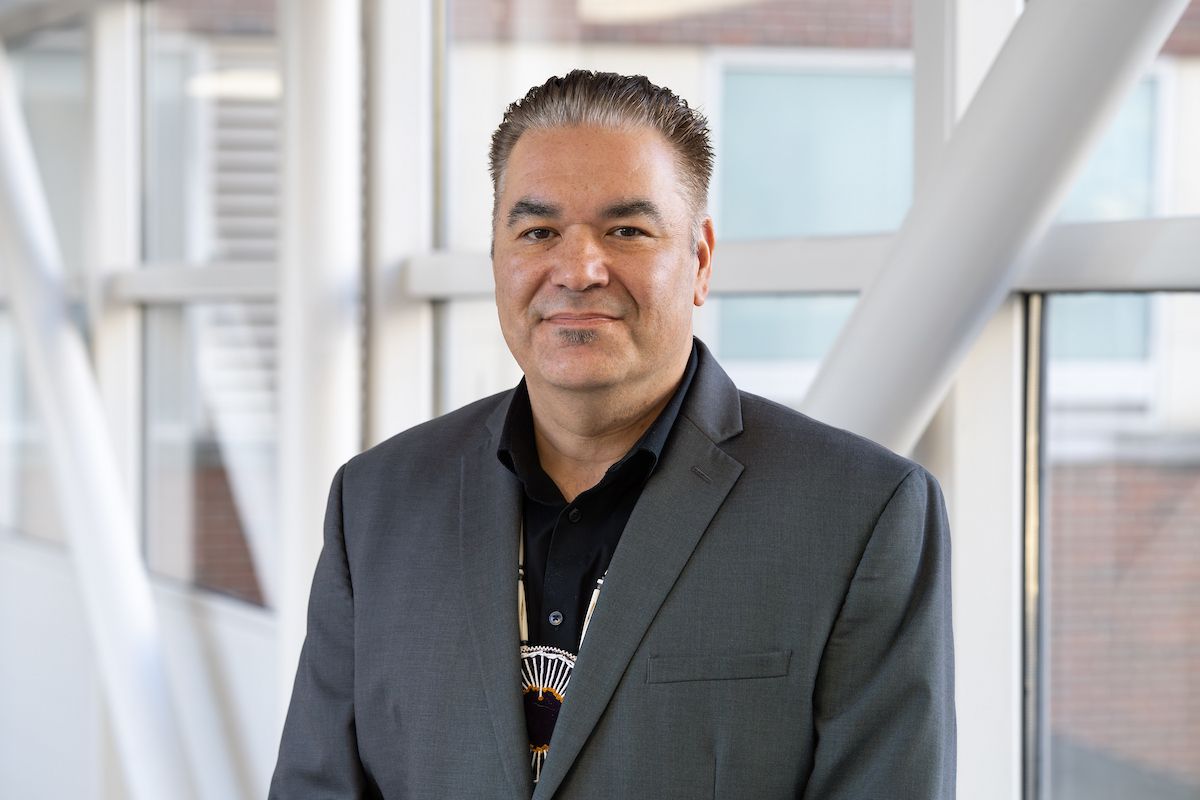
Opening plenary and book debut at international conference
Rodney C. Haring, PhD, MSW, Chair of the Department of Indigenous Cancer Health, co-delivered the Opening Plenary, “Treaty, Cancer, and World Health,” at the World Indigenous Cancer Conference in New Zealand on April 21, 2026. The event also marked the global release of his first book, Indigenous Genetics, Biobanking, Chemistry, and Cancer Research.

Research team documents link between abdominal fat and development of non-small cell lung cancer
“Our results provide strong evidence that obesity is a risk factor driving lung cancer development and that strategies to correct the effects of obesity on airway immune cells may help us to prevent or intercept early-stage lung cancers in people at high risk of developing lung cancer.”
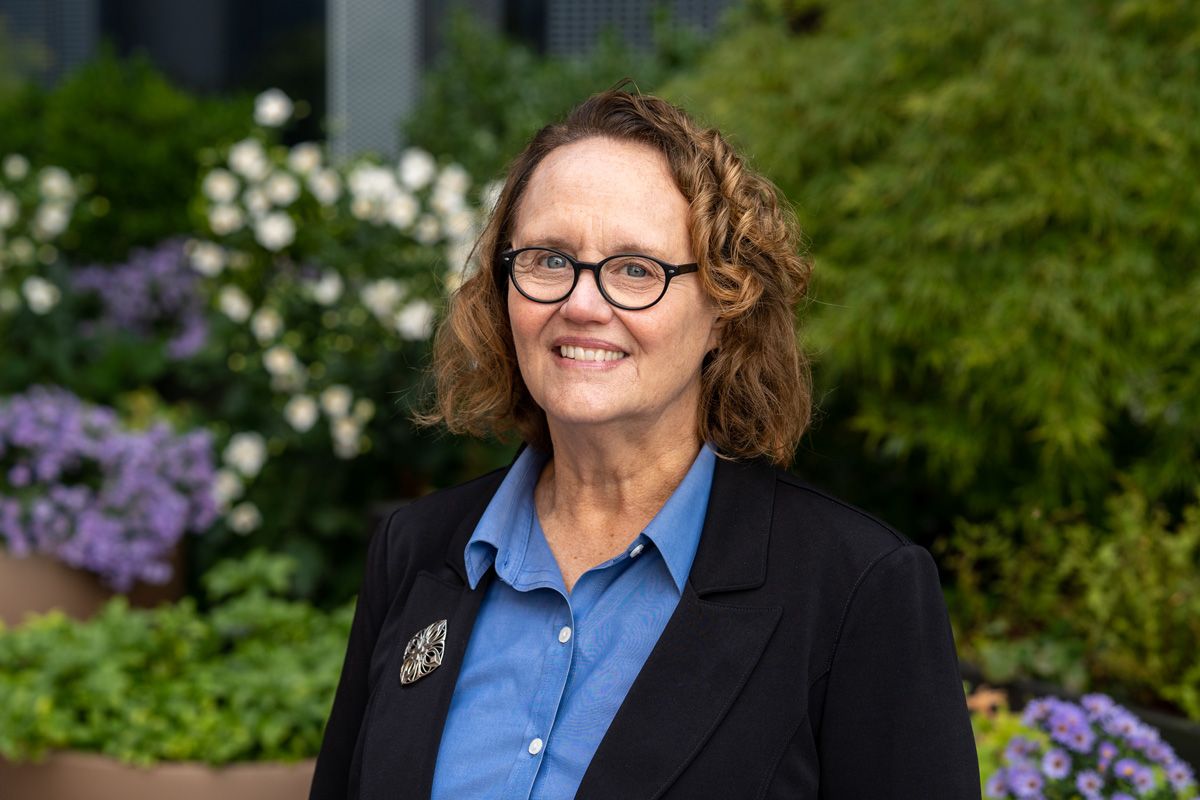
Chief of cancer screening reflects on landmark state bill
“The more commonplace lung cancer screening becomes, the more lives we will save and the more communities we will improve.”
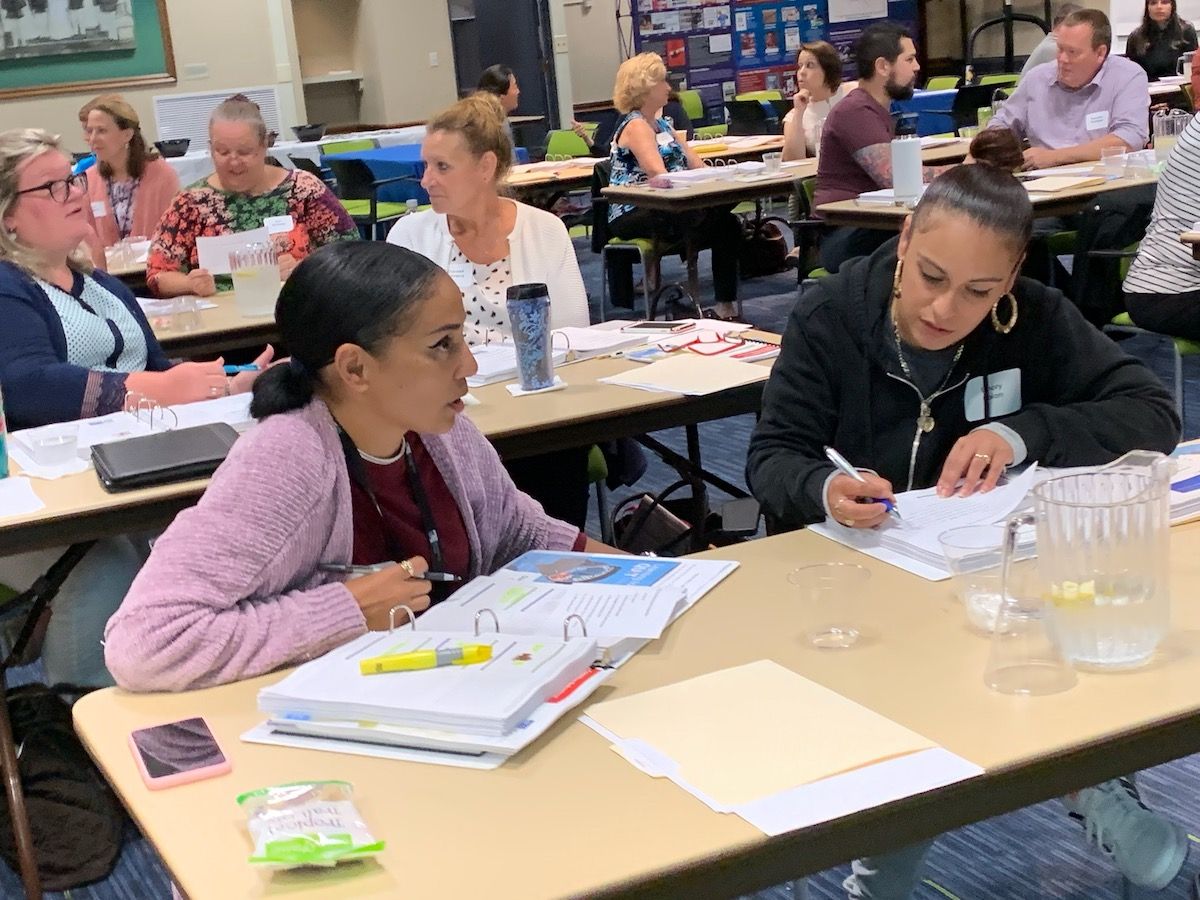
We train Tobacco Treatment Specialists to make a difference in their communities
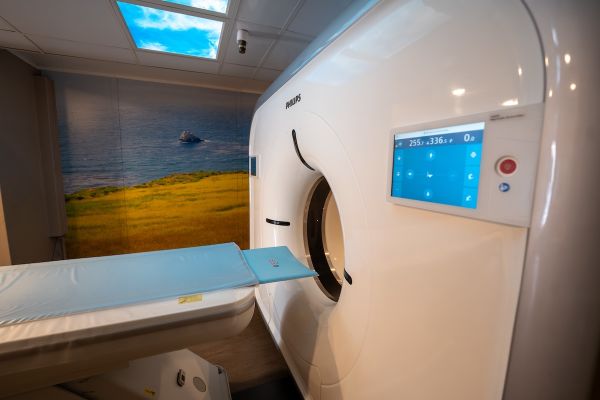
Our week-long Tobacco Treatment Specialist (TTS) Training Program is one of just 28 accredited worldwide, with more than 250 people having attended via generously donated scholarships as part of Roswell Park’s commitment to support those working in communities that experience tobacco-related disparities.
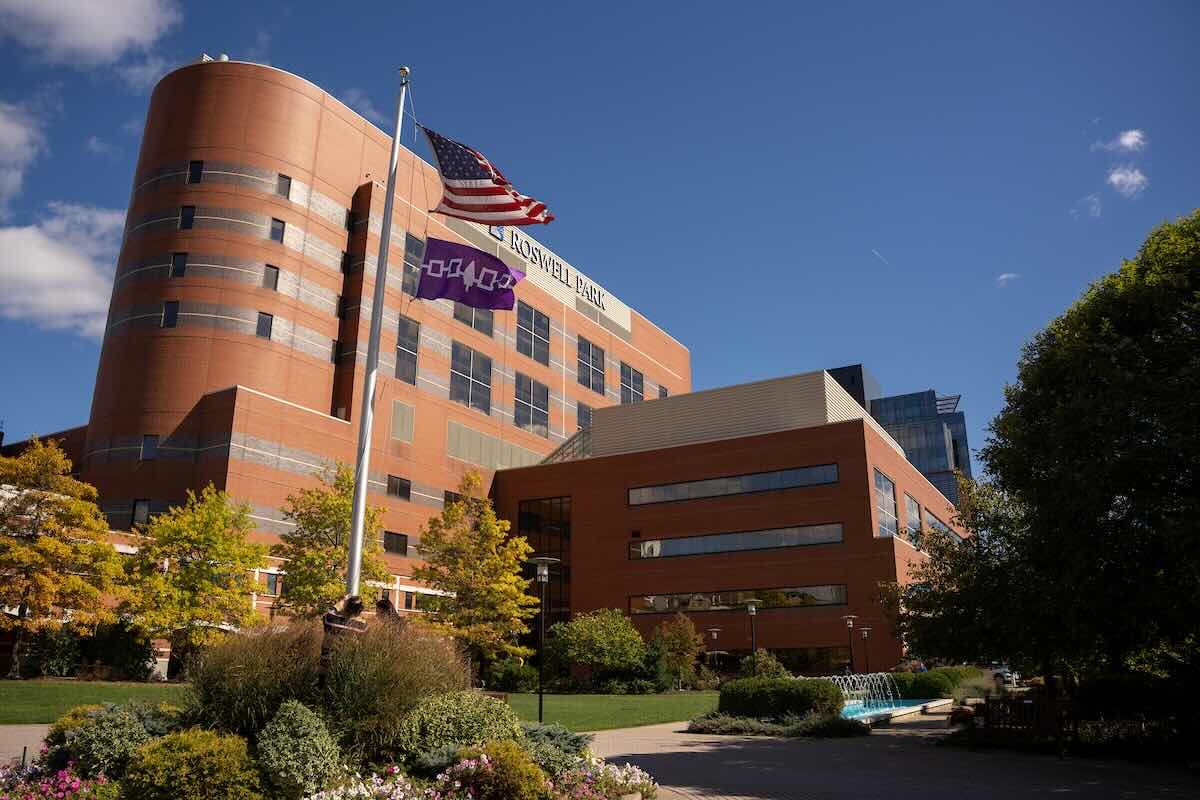
Spotlight: Department of Indigenous Cancer Health
Roswell Park is located in the homelands of the Haudenosaunee or Iroquois Confederacy — a league of Indigenous Nations who have the first treaties with the United States.
Indigenous communities face some of the greatest cancer related challenges including decreased access to screening, higher mortality rates and persistent challenges in health disparities.
In January 2020, Roswell Park’s Department of Indigenous Cancer Health launched with a simple and ambitious goal: to reduce the impact of cancer on these at-risk populations regionally, nationally and internationally.
Departments and programs affiliated with Population Sciences
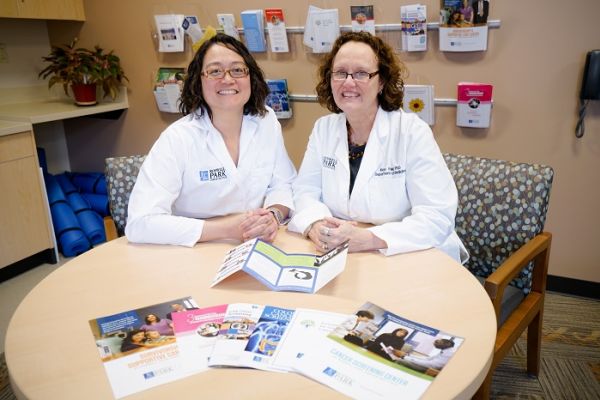

Shared Resources
Roswell Park Population Sciences team members also manage:
Education & training
In addition to our research, clinical trials and community outreach, Roswell Park is committed to training the next generation of basic and clinician scientists to treat and defeat cancer.
Trainees in our Cancer Prevention PhD track study closely with program members and participate in all phases of basic and translational research.
Contact us
Jessica Wagonblott, BA
Office of Population Sciences Program Administrator
Phone: 716-845-8170
Email: Jessica.Wagonblott@RoswellPark.org