Research conducted at Roswell Park is paving the way to safer, easier recovery for people who undergo bladder cancer surgery, and experts predict the approach may improve the post-surgical care and outcomes of those patients.
In the U.S., about 25% of people with invasive bladder cancer undergo radical cystectomy, or surgery to remove the bladder. At diagnosis, most are in their 70s and have other health conditions, typically high blood pressure, diabetes and heart disease. Any new health problem makes recovery more difficult and adds to the burdens they already face. But within 90 days after surgery, up to 39% will develop a urinary tract infection (UTI), which can cause fever, chills, nausea and pain or a burning sensation during urination. In severe cases, a UTI can also lead to changes in mental status or even become life-threatening due to kidney damage or a whole-body infection called sepsis.
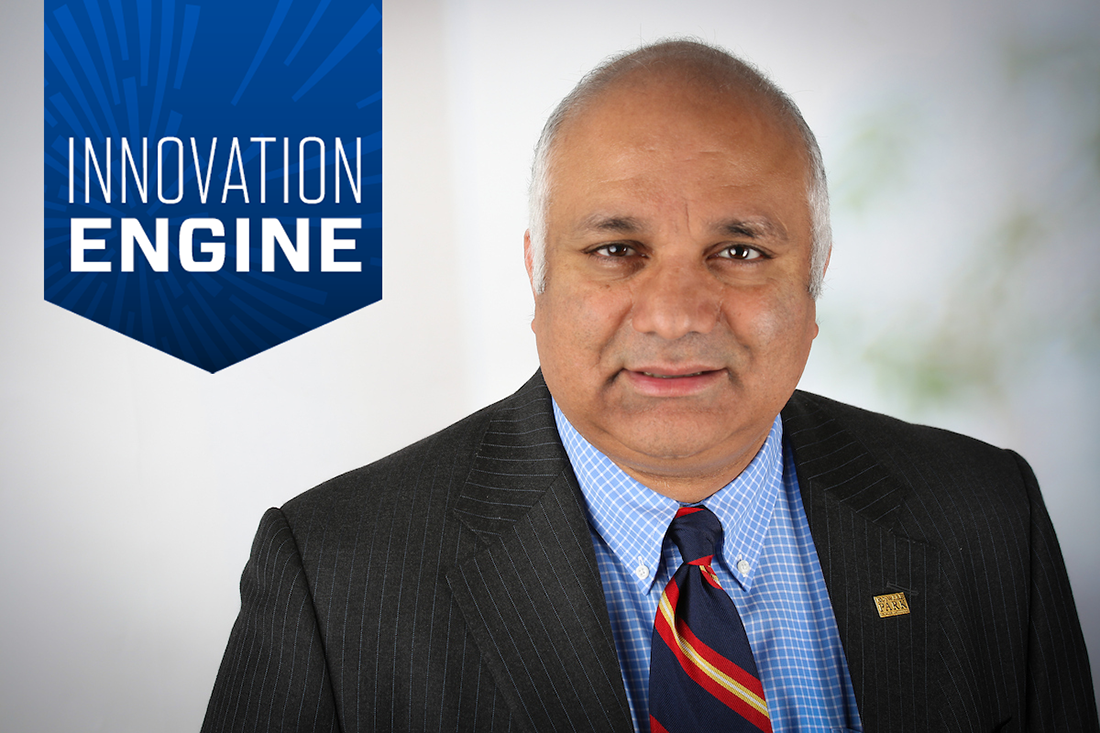
That’s a major concern for Khurshid Guru, MD, Chair of Urology and Director of Robotic Surgery at Roswell Park, and his colleagues. An internationally recognized expert in his field, Dr. Guru has performed more than 800 robot-assisted cystectomies, and nearly 900 have been performed at Roswell Park.
“As we reviewed cases where patients had to be readmitted to the hospital or developed complications after the surgery, we found that the overwhelming cause was infectious disease,” Dr. Guru explains.
Evaluating antibiotics for prevention
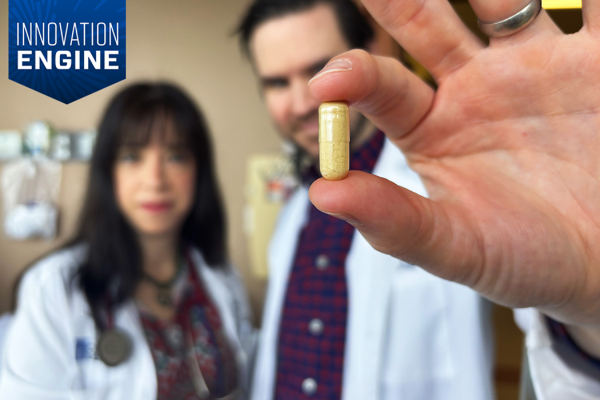
While post-operative antibiotic therapy seemed a plausible way to prevent such infections, any medication carries potential risks. Clinical trials are essential to determine not only safety but also whether adding a therapy truly improves patient outcomes. To provide Level 1 evidence, the highest standard in clinical research based on randomized controlled trials, Dr. Guru and his colleagues launched a randomized, controlled trial. The study enrolled 77 Roswell Park patients undergoing robot-assisted radical cystectomy, assigning 40 to receive standard care and 37 to also receive antibiotics for 30 days after discharge.
In this study, Roswell Park researchers found that urinary tract infections developed in 10 patients in the group that did not receive antibiotics, compared with none in the group that did, and the differences between the two groups were statistically significant. Roswell Park urologist Ahmed Aly Hussein Aly, MD, Associate Professor of Oncology and Surgery in the Department of Urology, was first author of the study, which was published in the Journal of Urology. Two accompanying editorials acknowledged the importance of the team’s findings, including one that noted, “This represents the highest-quality data on the subject and is likely to change practice for many urologic oncologists.”
All Roswell Park cystectomy patients now receive antibiotics when they leave the hospital after robotic-assisted bladder surgery, and it’s expected that the practice will be adopted at other centers.
Avoiding infection reduces healthcare costs significantly
Dr. Guru points out that the benefits extend beyond physical health. “Antibiotics have not only taken care of the infections but also reduced the social impact of UTIs among these patients,” he explains. “Many of them are older adults who don’t have reliable transportation or anyone to take care of them or bring them their medications.
“This change in practice also reduces the chance that a patient will need to visit the emergency room or be readmitted to the hospital, which in turn reduces the cost of care. The study documented that 30% of clinical trial participants who did not take antibiotics had to be readmitted to the hospital due to an infection within 90 days after surgery, compared with only 5% in the antibiotics group, at an additional median cost of more than $9,000.”
Says Dr. Guru, “We can reduce the infection risk by providing patients antibiotics after their surgery.”
Why Roswell Park for bladder cancer treatment?
In addition to groundbreaking research, find out more about what sets Roswell Park in treating your bladder cancer.