How these genes affect your risk for developing breast cancer and other cancer types
Everyone — both male and female — has two BRCA genes. Identified as BRCA1 and BRCA2, both are tumor suppressor genes associated with breast cancer. (BRCA is an abbreviation for breast cancer, generally pronounced “bracka.”)
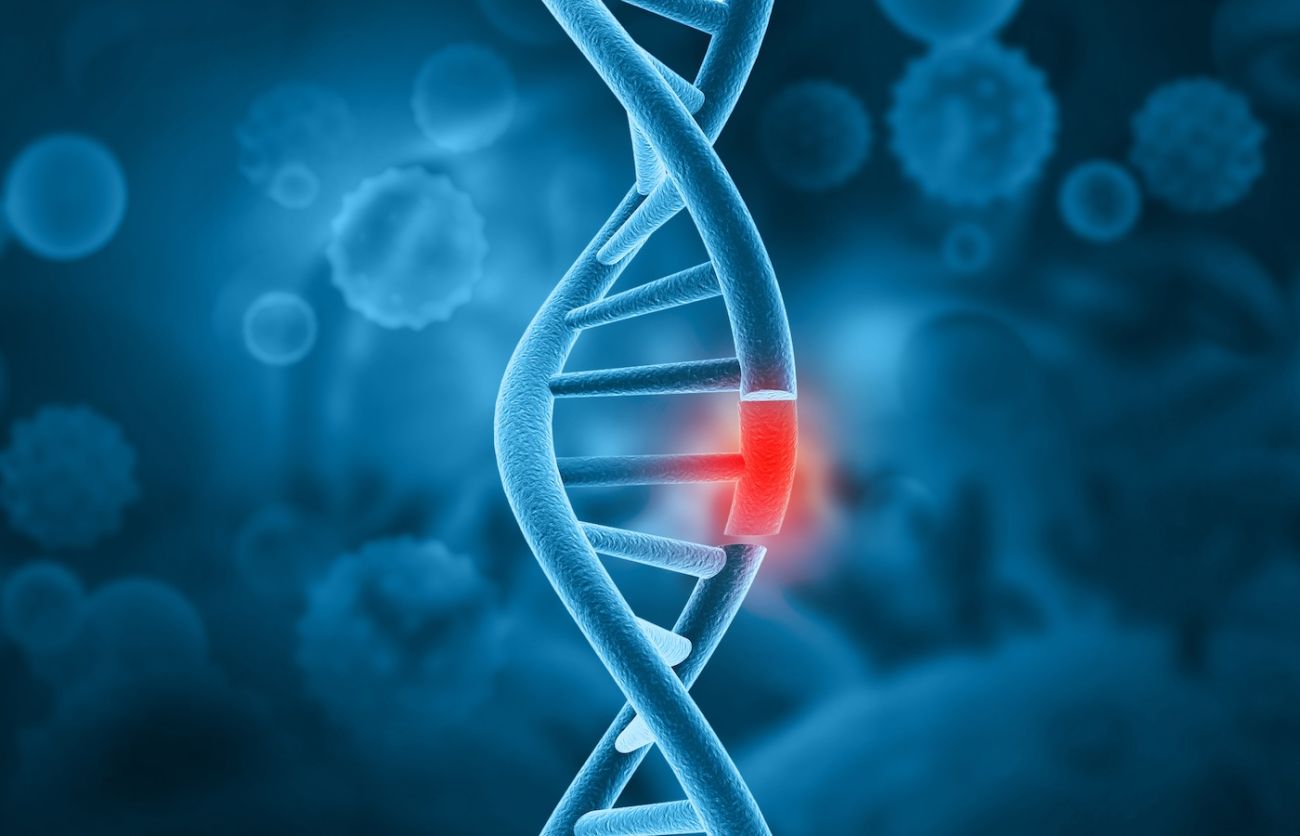
When functioning normally, BRCA1 and BRCA2 keep tumors from forming by helping to repair damaged DNA, a process that prevents cells from growing and dividing uncontrollably, leading to cancer.
If you have an altered or mutated copy of a BRCA gene, your ability to suppress tumor growth is impaired; this increases your risk for developing several cancer types, including breast, ovarian, prostate, pancreatic, melanoma and, in some families, colorectal.
“In most cases, BRCA gene mutations are inherited, or passed down from one or more generations in a family, which is why we often see a pattern of certain cancers in families,” explains Katherine Latina, MS, CGC, Genetic Counselor at Roswell Park Comprehensive Cancer Center.
What's my cancer risk with a BRCA1 or BRCA2 mutation?
Not all people with BRCA mutations will get cancer. In the general population, BRCA mutations are relatively rare, but approximately 12% of women in the general public will develop breast cancer at some time in their lives. For women with a BRCA1 or BRCA2 mutation, the risk increases to as much as 72%.
About 1 to 2% of women in the general population will develop ovarian cancer during their lives, but up to 58% of women with BRCA1 mutation, and up to 29% of women with BRCA2 mutation, will develop ovarian cancer by the age of 80. “There’s not that drastic a difference between BRCA1 and BRCA2. Essentially, they share the same umbrella of different cancers,” says Latina. “To me the difference is what do we do based on the risk?”
Both BRCA1 and BRCA2 mutations are associated with an increased risk for:
- Breast cancer
- Ovarian cancer
- Pancreatic cancer
- Prostate cancer
BRCA2 mutations are also associated with an increased risk for melanoma.
BRCA1-associated cancers are generally more aggressive than BRCA2-associated cancers, particularly when it comes to breast cancer. BRCA1-related breast cancers are more often found to be the triple-negative subtype and have higher tumor grades. By age 70, women BRCA1 carriers have a slightly higher risk of developing breast cancer than BRCA2 carriers.
If you have a BRCA mutation, what's next?
How does knowing you have a BRCA mutation change how you take care of your health? Here are a few guidelines:
- Begin breast cancer screening at an earlier age. Women with BRCA mutations should start having annual screening mammograms in their 20s.
- Begin prostate screening by age 40-45. BRCA2 mutations in men are associated more with a higher risk of prostate cancer, and these cancers are more likely to be aggressive.
- Consider preventive surgery to avoid ovarian cancer. Have your ovaries and fallopian tubes removed between age 35 to 40 for women with BRCA1 and age 40 to 45 for women with BRCA2.
- Get screened for pancreatic cancer, particularly if you have a BRCA2 mutation, which increases risk for pancreatic cancer to 5 to 10%.
How Roswell Park can help
We offer genetic counseling and testing and if you have a genetic mutation, our specialized clinic can guide you, help you get the screenings you need and offer you options to take control of your health and prevent cancer.
How do I know if I have a BRCA mutation?
“The only way to know for sure is to have genetic testing done,” advises Latina, adding that genetic testing is now much broader than it used to be. “Rather than only looking at the BRCA genes, oftentimes we’re doing multi-gene panels that cover other types of cancer, other genes that could have the same implications.”
Testing typically involves a one-time blood draw and may sometimes be done with a saliva sample. For the public, Roswell Park recommends genetic counseling and testing if any of the following factors apply:
- Family history of breast or prostate cancer in multiple relatives on the same side of the family, or any family member with pancreatic or ovarian cancer
- A personal or family history of breast cancer diagnosed at an early age (before age 50 or premenopausal)
- A personal history or family member diagnosed with cancer in both breasts or two primary breast cancers in the same breast
- A personal history of ovarian, pancreatic, metastatic breast, or metastatic prostate cancer
- Ashkenazi Jewish (Eastern European) heritage and a family history of one of these cancers
- A male or male relative diagnosed with breast cancer
- A known genetic mutation in your family
“For a person with a BRCA mutation, the testing may guide them in terms of preventive steps to consider, such as surgery, additional screening and family planning,” says Latina.
“Genetic testing also offers valuable health information that can be shared with other family members, to increase their awareness of possible cancer risk.”
Genetic screening at Roswell Park
If you believe you are at high risk for a BRCA or other gene mutation, contact 1-800-ROSWELL. You will be directed to Roswell Park’s genetic counseling and testing or appropriate services for screening, surveillance and other options.