Commentary highlights strategies for reducing cancer’s impact on Indigenous Peoples
- Indigenous Cancer Health programming over 10 years leads to permanent department
- Team shares insights in the Journal of the National Cancer Institute
- Model based on sovereignty, integration of Indigenous and Western knowledge
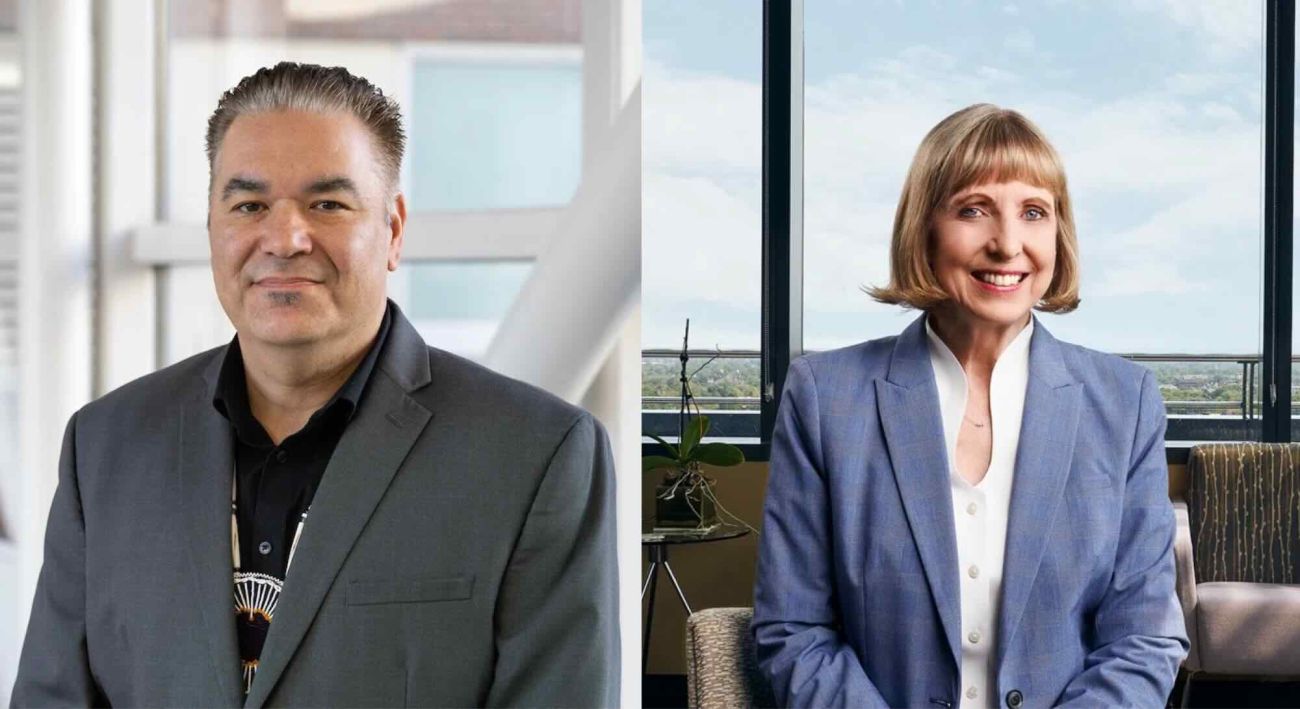
BUFFALO, N.Y. — Ten years after the origins of the Department of Indigenous Cancer Health at Roswell Park Comprehensive Cancer Center, an article in the Journal of the National Cancer Institute (JNCI) describes how the center and its Indigenous partners have united to reduce cancer’s impact on Indigenous Peoples. A team led by first author Rodney Haring, PhD, MSW (Seneca Nation), Chair of the Department of Indigenous Cancer Health at Roswell Park, and senior author Candace Johnson, PhD, President and CEO of Roswell Park, were invited by JNCI to outline their work to create the first department of its kind at a National Cancer Institute (NCI)-designated cancer center. The authors outline a model that can help NCI cancer centers address three major goals: sovereign education collaboratives, culturally appropriate clinical care systems and sovereign-led cancer research. At Roswell Park, those initiatives are guided by an Indigenous Community Advisory Board whose members contributed to the new publication.
“Improving cancer outcomes in Indigenous communities begins with respect for tribal sovereignty and a commitment to building programs in partnership with Native Nations,” says Dr. Haring, who has guided the program from its origins a decade ago. “We are honored to have the opportunity to highlight the takeaways and insights from Roswell Park’s work to establish the nation’s first Department of Indigenous Cancer Health and offer a model for how National Cancer Institute-designated Cancer Centers can work alongside Indigenous communities to advance research, education, outreach and patient care in ways that honor Indigenous Knowledge, priorities and self-determination.”
The authors emphasize the importance of identifying the Native Nations located in areas served by the 74 NCI-designated cancer centers across the U.S. That information can help support a strategic plan to improve access to cancer screenings and care, to strengthen existing tribally led programming and services, and to provide a framework for recruiting and training new generations of Indigenous cancer researchers, clinicians and educators. The article highlights specific collaborative efforts between Roswell Park and Native Nations, including a cancer-focused academic scholars program created in conjunction with tribal partners, and the largest Indigenous/rural patient navigation service program at any NCI-designated cancer center, serving Native Nations and adjacent rural areas.
“Through an approach grounded in trust, respect and a commitment to learning, we’ve had the opportunity to work closely with Indigenous leaders and communities to build new resources for cancer prevention, education, research and patient support that now serve thousands of people across our region,” says Dr. Johnson, who also serves as M&T Bank Presidential Chair in Leadership at Roswell Park Comprehensive Cancer Center. “Those relationships have strengthened our organization, expanded opportunities for collaboration and helped establish a model for Indigenous cancer health that is informing and inspiring efforts well beyond Western New York.”
The Department of Indigenous Cancer Health aims to honor the values of Indigenous Knowledge, sovereignty and respect for the environment through community-driven partnerships, collaborative research and education to reduce the impact of cancer on Indigenous communities regionally, nationally and internationally. Visit https://www.roswellpark.org/research/departments/indigenous-cancer-health or email IndigenousCancerHealth@RoswellPark.org for more information about these initiatives.
###
From the world’s first chemotherapy research to the PSA prostate cancer biomarker, Roswell Park Comprehensive Cancer Center generates innovations that shape how cancer is detected, treated and prevented worldwide. The Roswell Park team of 4,000+ makes compassionate, patient-centered cancer care and services accessible across New York State and beyond. Rated “Exceptional” by the National Cancer Institute, Roswell Park, founded in 1898, was one of the first NCI-designated comprehensive cancer centers in the country and remains the only one in Upstate New York. To learn more about Roswell Park Comprehensive Cancer Center and the Roswell Park Care Network, visit www.roswellpark.org, call 1-800-ROSWELL (1-800-767-9355) or email ASKRoswell@RoswellPark.org.
Jane Rose, Media Relations Specialist
716-845-4919; jane.rose@roswellpark.org