I had three strikes against me with my breast cancer diagnosis — but a game-changing ace in the hole
- Routine mammograms can detect breast cancer before symptoms appear
- Early diagnosis improved prognosis and likelihood of long-term survival
- Author had no family history or risk factors for triple-negative breast cancer
One of my favorite jokes involves a little boy who has never spoken. Despite coaching and coaxing, his parents can’t get a word out of him. Then one morning at breakfast, he looks at them and says, “Oatmeal cold.” His parents are overjoyed, but puzzled. “Why didn’t you say anything before?” they ask.
The boy shrugs. “Everything been OK until now.”
Everything was OK for me until I got the results of my annual screening mammogram in April. I’ve always thought of it as scheduled maintenance, like rotating the tires on the car or changing the furnace filter. Every year, a few days after my Roswell Park visit, a letter comes in the mail, and it always says the same thing: Screening results: Normal/Negative. No evidence of cancer. I never really expected it to say anything else.
This year when the letter arrived, I glanced at it briefly and was about to crumple it up when I stopped and actually read it. The only word I remember now is “mass.”
Well, OK. Maybe it was a trick of the light, a weird shadow, dense tissue or a cyst, but it couldn’t be cancer. I scheduled the recommended breast ultrasound, just to double-check. Then, when the ultrasound confirmed the presence of a suspicious spot, a core needle biopsy.
Two days later I was sitting in the car waiting for my husband, rain pattering on the windshield, when Jonathan Binns, MD, who performed the biopsy, called to tell me I had breast cancer.
As soon as I received a notification that my test results had been uploaded to the patient portal, I clicked on the pathology report. The words flew off the screen and punched me right in the face.
- Estrogen Receptor (ER) Status: Negative
- Progesterone Receptor (PgR) Status: Negative
- HER2 Status: Negative
I’ve been a medical/science writer at Roswell Park for 20 years, so I knew what that meant — triple-negative breast cancer (TNBC). It’s the fastest-growing, most aggressive subtype, the kind with the worst prognosis. Triple-negative breast cancer cells lack the estrogen, progesterone and HER2 receptor proteins that would make them vulnerable to hormone treatments or targeted therapies — the newer treatments that have made an enormous difference in breast cancer survival.
I had no risk factors for triple-negative breast cancer
Like many people dealing with a cancer diagnosis, I struggled to figure out why this happened to me. I have none of the known risk factors for TNBC, which typically affects women who are Black, under 40, or have a mutated BRCA gene. How did I get this kind of breast cancer? For no apparent reason, the Fickle Finger of Fate had reached out from the universe and pointed directly at me.
One single thing tipped the scale in my favor: my annual screening mammogram. My cancer was found early, at stage 1b. The blurry white spot that caught the attention of diagnostic radiologist Lauren Burkard-Mandel, MD, PhD, was not there when I got my previous mammogram in 2025. It turned out that there were actually two tumors, but because I got my mammogram on schedule, they were still small — both less than a centimeter in diameter, or about the size of the eraser on the end of a pencil. In fact, they were too small to be felt from the outside. Only a mammogram would have found them.
That has made a world of difference in both my treatment plan and prognosis. Surgical oncologist Helen Cappuccino, MD, performed a lumpectomy instead of a mastectomy, sparing me several weeks of recovery time. Fortunately, the cancer cells had not invaded the lymph nodes.
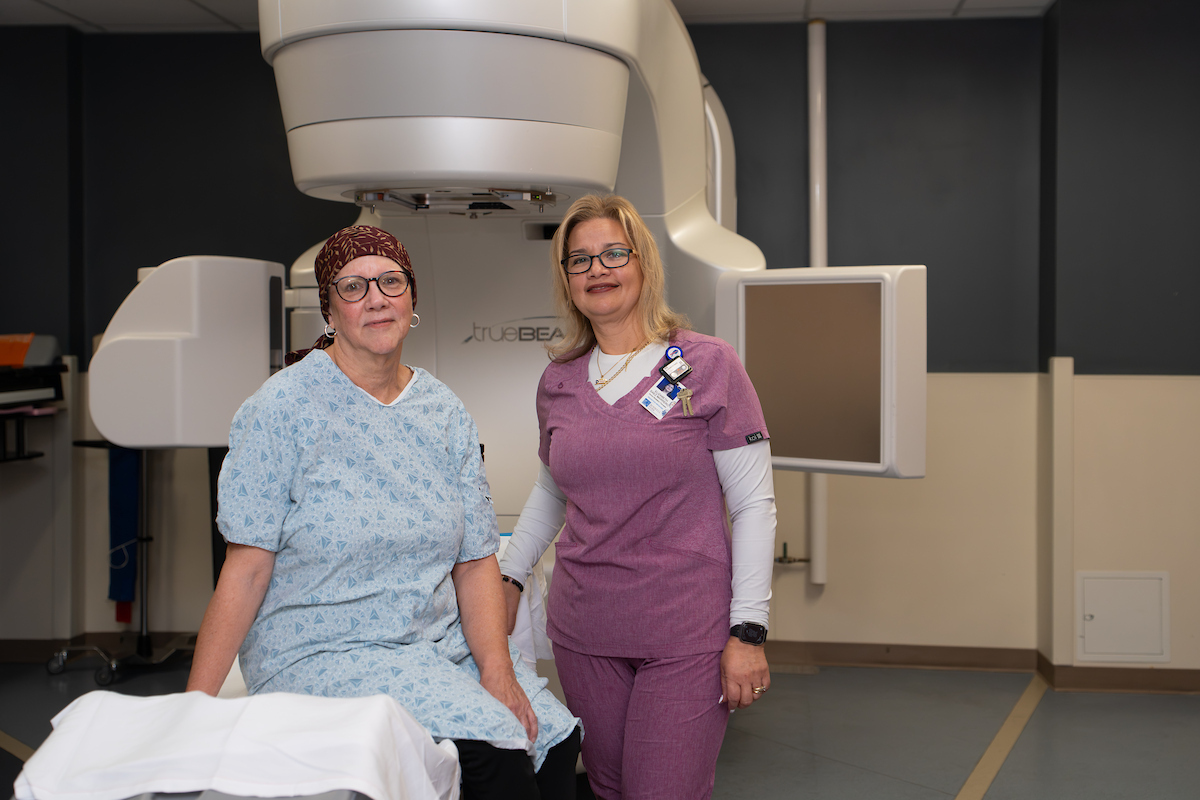
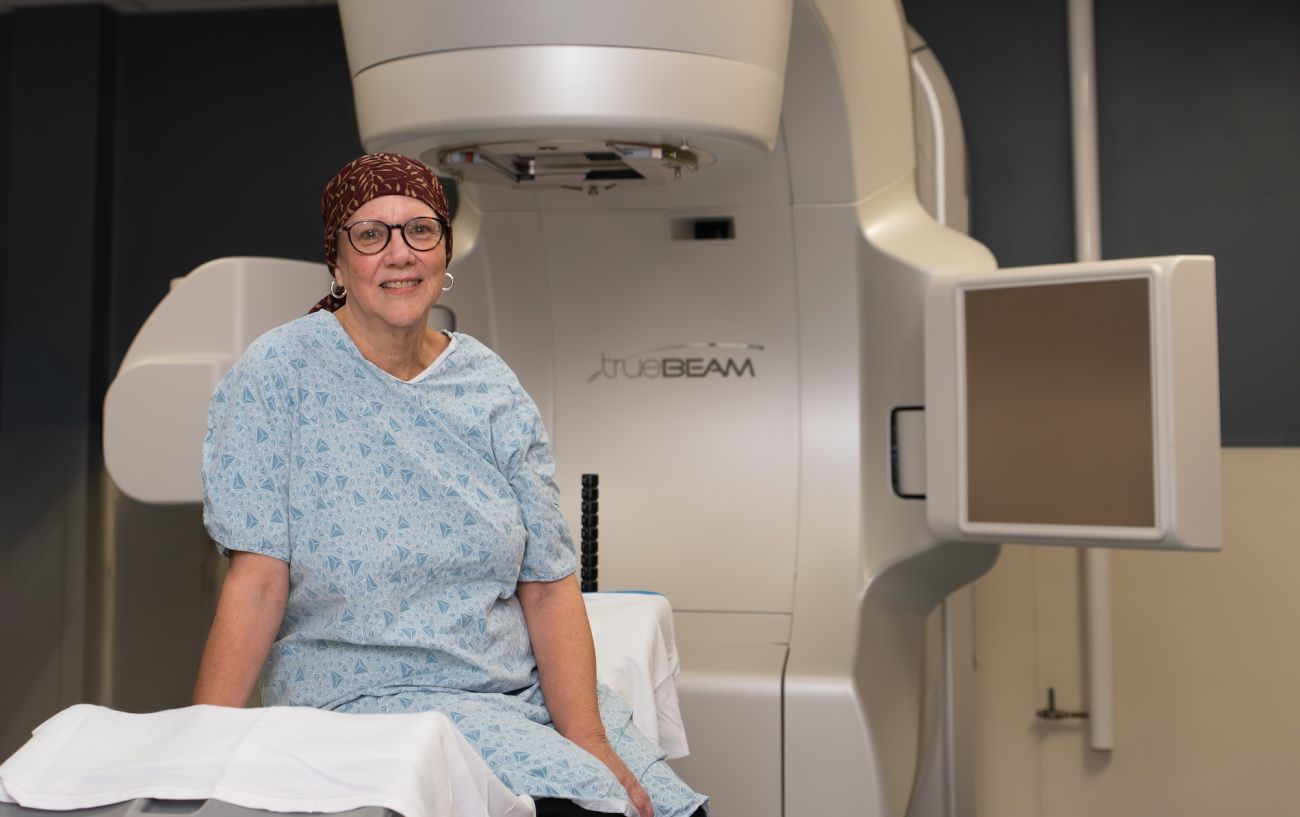
Because TNBC is so aggressive, my treatment plan still required chemotherapy after surgery, but I didn’t have to get it before surgery as well, and my medical oncologist, Delnaz Bakht, MD, explained that the regimen I followed was less intense than it would have been if the tumors were larger. Simon Fung-Kee-Fung, MD, Director of Breast Radiation, says my three weeks of radiation treatments, currently underway, will target just the breast instead of a wider area, exposing less of my body to radiation than if I had been diagnosed at stage 2 or higher.
Most important, I’ve been told there’s a good chance that my cancer will not return after treatment. If I had skipped my mammogram this year, things could have been very different by the time the tumors were finally discovered.
Women I know have admitted to me that sometimes they skip their screening mammograms or have decided to stop getting them altogether. What’s the point? Nobody in their family has ever had breast cancer, and their past mammograms have always been normal. From where I’m sitting, that’s the same as deciding you don’t need to wear a seat belt because you’ve never been in a car accident. Most women who get breast cancer do not have a family history of the disease.
Cancer doesn’t follow the rules. Like lightning, it can appear out of a clear blue sky, striking people who don’t have any known risk factors. Our greatest defenses against it are preventing it in the first place or catching it in the earliest stages by following screening recommendations.
Please schedule your mammogram when it’s time.
Request a mammography appointment
It matters where you get your mammogram – and it matters who reads it. Annual screening saves lives.
Why are there different screening recommendations?
Both Roswell Park and the American College of Radiology recommend screening mammograms and clinical exams every year for women 40 and older who are at average risk. This differs from the U.S. Preventive Services Task Force and other organizations that recommend screening every two years. Why?
“Screening mammography lowers the risk of dying from breast cancer by 30 to 40%,” explains Ermelinda Bonaccio, MD, FACR, Chair of Diagnostic and Interventional Radiology and Director of Breast Imaging at Roswell Park. “This benefit is maximized if you have a mammogram every year.
“The organizations that recommend having a mammogram every other year do so to lower your risk of a ‘false positive’ mammogram, which occurs when there is a finding, but additional mammography, ultrasound or biopsy reveal that there is actually no cancer. Having a mammogram every year maximizes the survival benefit but does slightly increase the possibility that you will have a false positive mammogram.
“Annual screening mammography saves the most lives.”
Breast cancer screening recommendations by age
Most women should begin screening at age 40, but those at high risk should start earlier.
While some organizations suggest that women can stop screening mammograms at age 70, Roswell Park advises continued screening for women in good health who have a life expectancy of 10 years or more.
Schedule your mammogram today
When you make an appointment for a screening mammogram at Roswell Park, you may choose either our downtown location or our Breast Care of WNY location in Williamsville. Both locations offer free, convenient parking for these appointments.
In New York State, a screening mammogram is covered by your insurance plan, with no out-of-pocket expense. (The same applies to men who are at high risk for breast cancer.) If you don’t have insurance and meet other eligibility criteria, chances are you’re covered through the New York State Cancer Services Program.
Roswell Park’s mobile screening unit, EDDY, travels to neighborhoods in Western New York to make screening more accessible. Check the EDDY calendar for upcoming dates and locations.
Editor’s Note: Cancer patient outcomes and experiences may vary, even for those with the same type of cancer. An individual patient’s story should not be used as a prediction of how another patient will respond to treatment. Roswell Park is transparent about the survival rates of our patients as compared to national standards, and provides this information, when available, within the cancer type sections of this website.