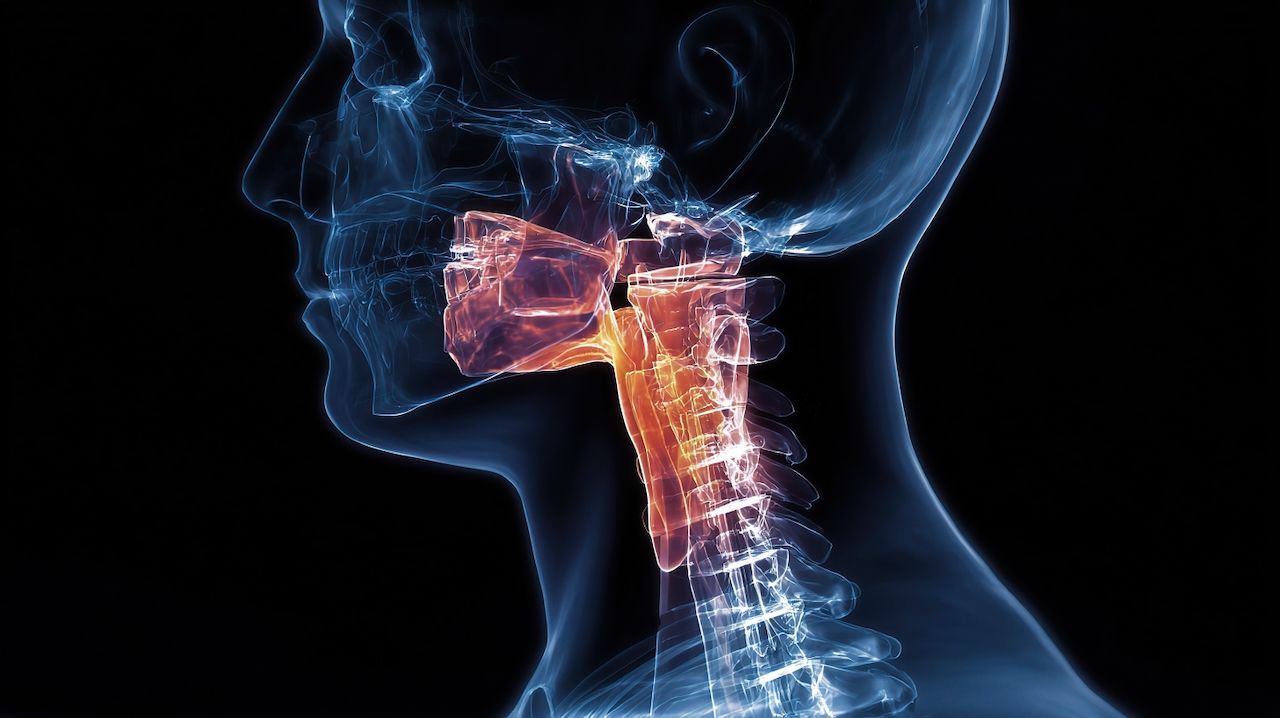
New insights on early detection, cancer biology and surgical innovation highlighted at international research meeting
- 21 AHNS presentations showcased innovation across head & neck oncology
- Late-breaking AI platform aims to improve oral cancer risk detection
- Studies spanned cancer biology, precision surgery and immunotherapy
BUFFALO, N.Y. — Following their presentations at the American Head and Neck Society (AHNS) 12th International Conference on Head and Neck Cancer in Boston, Roswell Park Comprehensive Cancer Center investigators are sharing key findings from their 21 accepted research abstracts, highlighting their work to advance head and neck cancer detection, treatment and survivorship.
With conference embargoes now lifted, Roswell Park researchers are now able to share findings from several notable studies, including a late-breaking artificial intelligence (AI) platform designed to improve oral cancer risk detection, new discoveries in tumor biology, and research aimed at refining precision surgical and immunotherapeutic approaches.
Artificial Intelligence Research Advances Early Detection
Four Roswell Park presentations at this year’s AHNS meeting focused on the use of artificial intelligence and advanced computational approaches to improve oral cancer detection, diagnosis and prognostication.
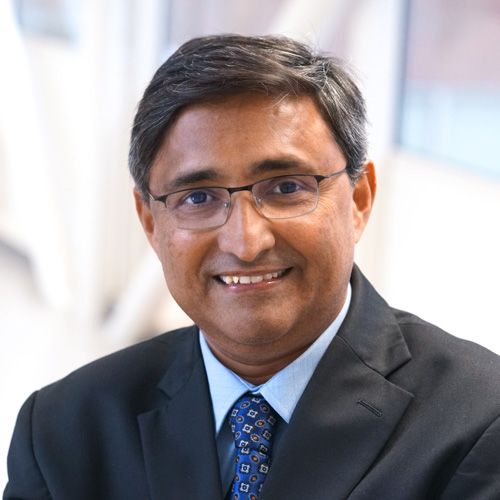
Among these was a late-breaking oral presentation in which senior and presenting author Moni Abraham Kuriakose, MD, highlighted a novel artificial intelligence and machine-learning platform designed to identify oral lesions at elevated risk of malignant transformation, underscoring the growing role of advanced analytics in cancer prevention and early detection.
For every person diagnosed with oral cancer, there are another 30 with oral potentially malignant disorders (OPMD), and appropriately identifying these patients so they can receive care as needed represents an important opportunity to reduce the burden posed by oral cancers.
“Despite many approaches to identifying these potential oral malignancies early, to date we have seen high rates of inconsistency and variability in diagnosis. We propose use of a novel microscope coupled with artificial intelligence to provide unbiased, consistent and objective diagnoses,” says Dr. Kuriakose, who presented the team’s findings and conclusions in a late breaking papers session.
“This approach will simplify the characterization of oral lesions and enhance the prediction of malignant potential without requiring additional reagents or specialized human operators,” he adds.
Novel Biomarkers and Cancer Biology Studies
At this year’s meeting, Roswell Park teams also presented several studies examining the molecular mechanisms underlying oral premalignancy and cancer progression.
These include work evaluating expression of the cancer-testis antigen NY-ESO-1 across oral premalignant lesions, oral cancers and patient-derived preclinical models.
“It’s known that the tumor-associated antigen NY-ESO-1 is capable of inducing robust immune responses, and we hypothesized that expression of this antigen may provide a therapeutic target in oral premalignant and malignant disorders,” says Dr. Kuriakose. “In our evaluation of a clinical cohort representing the progression of oral carcinogenesis from precancerous cells through to confirmed oral carcinomas, we demonstrate that NY-ESO-1 is significantly upregulated in high-risk dysplastic stages and oral squamous cell carcinoma, the most common form of oral cancer. Our data suggest that NY-ESO-1-targeted immunotherapies may benefit people with premalignancies and those with confirmed oral cancers.”
The Roswell Park team also shared findings from studies exploring extracellular vesicles and associated biomarkers that may contribute to future approaches for risk assessment, disease monitoring and earlier detection. Subin Surendran, PhD, is first author on both studies, which were conducted under the guidance of senior author Moni Abraham Kuriakose, MD.
“Tumors produce abundant extracellular vesicles — small, membrane-bound bodies that function in cell-to-cell communication and may disrupt chemotherapy and immunotherapy efficacy,” says presenting author William Magner, PhD. “We are working to therapeutically target extracellular vesicle production to improve responsiveness to both chemotherapy and immunotherapies. Here we showed distinct and stable levels of production in individual patient tumors and successful reduction by targeting specific gene expression, underscoring the promise of this novel approach.”
Translational Science Aims to Identify Molecular Changes Sooner
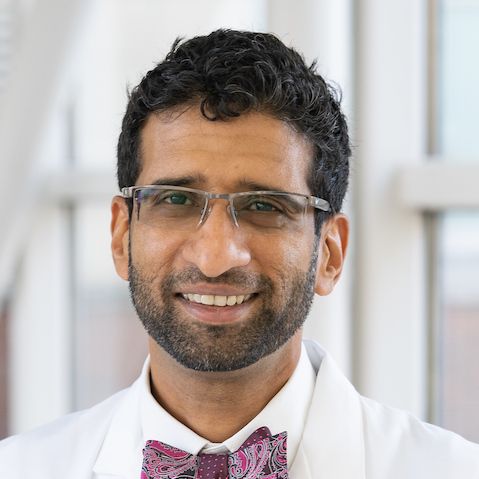
Additional research explored the emerging role of CHRFAM7A and related molecular alterations in oral premalignancy and oral cancer biology. Senior author Vishal Gupta, MD, FACS, notes that these investigations “seek to improve our understanding of disease progression and identify novel biomarkers that may ultimately support risk stratification and precision treatment approaches. Dr. Gupta presented the findings of that study, “Human restricted CHRFAM7A gene may affect invasion properties of oral cavity squamous cell carcinoma,” on July 19.
National Database Studies Examine Outcomes and Access to Care
Several Roswell Park investigators presented analyses using the National Cancer Database (NCDB) to address important questions in head and neck oncology.
One study Dr. Gupta led as senior author evaluates the impact of Medicaid expansion on care pathways among patients with oral cavity squamous cell carcinoma.
“We examined the relationship between Medicaid expansion status and early care pathways in a large, contemporary national cohort. We found that Medicaid expansion status was consistently associated with both the type of facility accessed and the composition of initial treatment for tongue or oral cavity carcinoma, with expansion states demonstrating a higher proportion of care delivered at academic and research centers, which has been strongly associated with improved outcomes,” says Dr. Gupta.
Another examines real-world survival outcomes associated with immunotherapy in recurrent and metastatic head and neck squamous cell carcinoma using data from 3,473 patients nationwide.
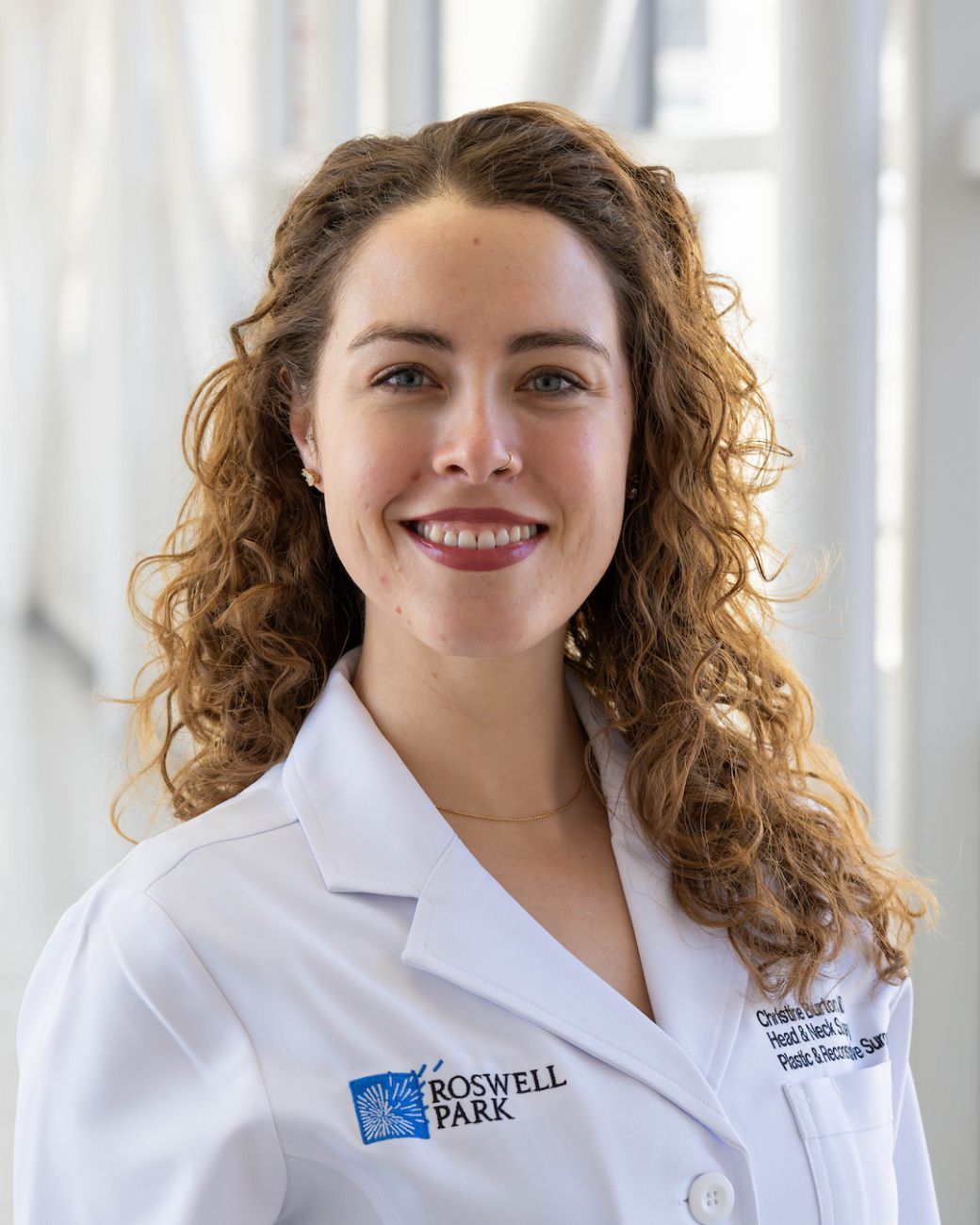
“Together, these studies provide insights into treatment patterns, healthcare access and outcomes across diverse patient populations and may help inform future policy and clinical decision-making,” says Dr. Gupta, who undertook the work in collaboration with teams that included Wesley Hicks Jr., MD, FACS, and Alex Vaicius, MD, a Fellow in Head & Neck/Plastic & Reconstructive Surgery at Roswell Park.
Precision Surgery Innovation
In another presentation, Christine Burton, MD, outlined Roswell Park’s experience using radar-guided localization technology to assist surgeons in identifying and removing metastatic nodal and soft tissue tumors during complex head and neck procedures. The work, conducted in collaboration with senior author Dr. Gupta, highlights the expanding role of precision technologies in surgical oncology.
“While localization of surgical targets often involves presurgical placement of a wire or radioactive seed, we proposed and assessed a novel, wire-free and nonradioactive approach,” says Dr. Gupta. “Our study assessed the feasibility, utility and outcomes of radar-guided localization for head and neck malignancy, and outlines our observation that radar-guided localization is a safe and effective method for identifying non-palpable soft tissue disease in the head and neck.”
###
From the world’s first chemotherapy research to the PSA prostate cancer biomarker, Roswell Park Comprehensive Cancer Center generates innovations that shape how cancer is detected, treated and prevented worldwide. The Roswell Park team of 4,000+ makes compassionate, patient-centered cancer care and services accessible across New York State and beyond. Rated “Exceptional” by the National Cancer Institute, Roswell Park, founded in 1898, was one of the first NCI-designated comprehensive cancer centers in the country and remains the only one in Upstate New York. To learn more about Roswell Park Comprehensive Cancer Center and the Roswell Park Care Network, visit www.roswellpark.org, call 1-800-ROSWELL (1-800-767-9355) or email ASKRoswell@RoswellPark.org.
Jane Rose, Media Relations Specialist
716-845-4919; jane.rose@roswellpark.org