Roswell Park expert explains how this changes your screening for colorectal cancer, and other ways to take care of your health.
- Family colorectal cancer history is a significant risk factor.
- Choose colonoscopy for early detection and prevention.
- Your lifestyle matters and can help reduce your overall risk.
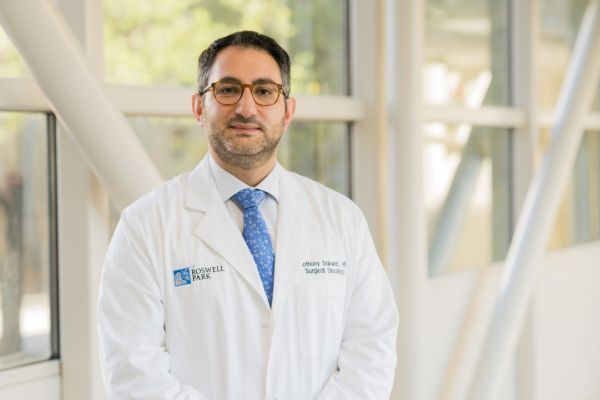
“A family history of colorectal cancer is a major risk factor for developing the cancer yourself,” says surgical oncologist Steven Nurkin, MD, FACS, Chief of Colorectal Surgery at Roswell Park Comprehensive Cancer Center. “As we are seeing more people under age 50 being diagnosed with the disease, understanding your family history and symptoms is even more important.”
What is considered a family history?
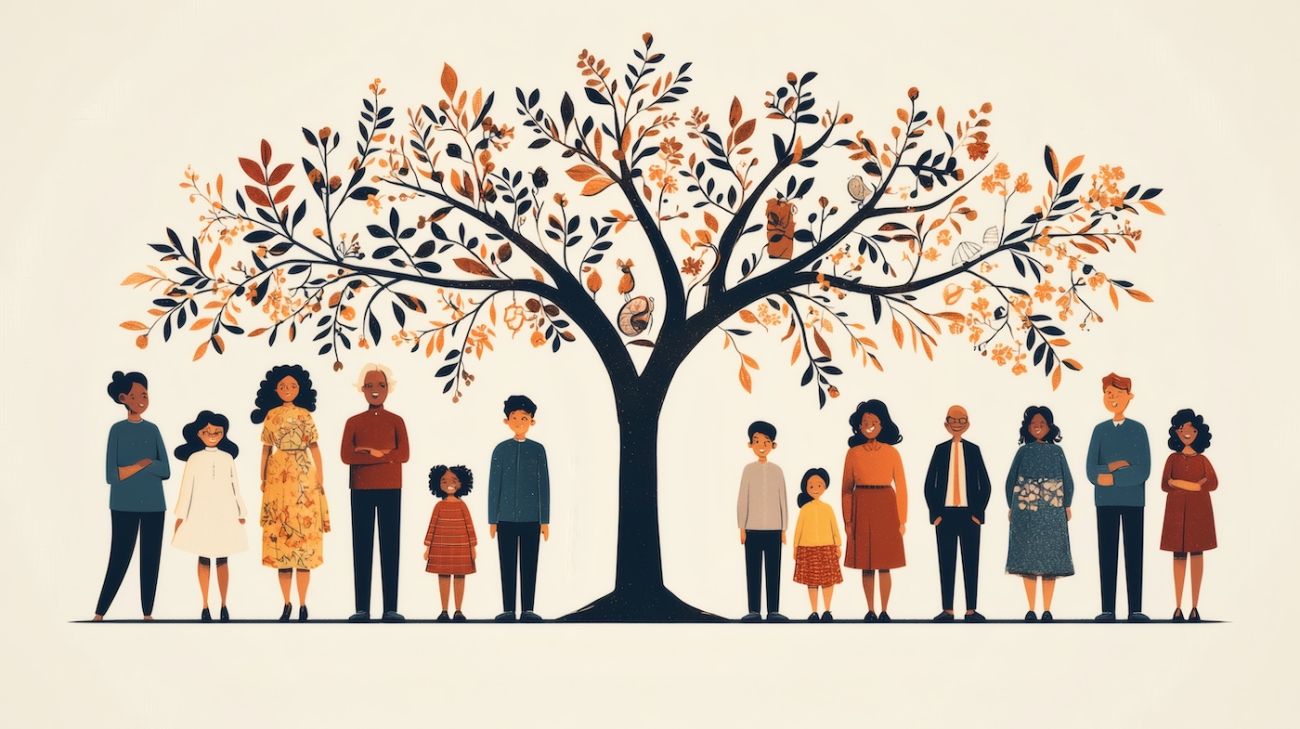
It means having a first-degree relative — a parent, sibling or child — diagnosed with colorectal cancer younger than age 60, or having two or more first-degree relatives diagnosed with colorectal cancer at any age.
“This doubles or even triples your risk compared to someone without a family history,” says Dr. Nurkin.
A family history also is defined as having multiple second-degree relatives — such as grandparents, aunts, uncles or cousins — with colorectal cancer or advanced polyps.
What your colorectal cancer family history means for you
Knowing that you are considered at “high risk” for developing colorectal cancer means you can take steps today to prevent it:
1. Start colorectal screening by age 40
The guideline is to begin screening by age 40 — or 10 years younger than the youngest family member was at diagnosis — whichever comes first. “If you have a relative diagnosed at age 45, you are going to want to begin screening by at least age 35,” says Dr. Nurkin. You might have additional risk factors that warrant starting screening even younger.
2. Opt for a colonoscopy over a home stool test, if possible
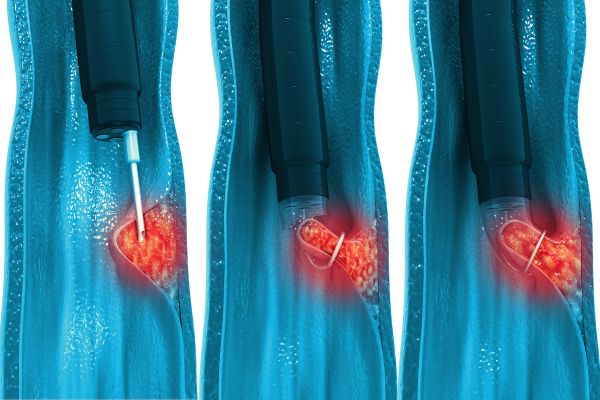
Home stool tests only detect hidden blood or DNA from a cancer or an advanced polyp for people at average risk for colorectal cancer. They are not sensitive enough to detect early, precancerous polyps in high-risk people. A stool test is better than no test, but a colonoscopy is preferred because it can detect polyps in the colon and remove them before they become cancerous.
3. Consider genetic counseling
A genetic counselor can help you determine whether genetic testing is right for you. If you have a strong family history of colorectal cancer — more than two relatives, a family member diagnosed before age 50, colorectal cancer in successive generations, or a genetic cancer syndrome in the family such as Lynch syndrome or familial adenomatous polyposis (FAP) — genetic testing can reveal more information about your personal risk and clarify your next steps for screening and prevention.
4. Make lifestyle changes that reduce your risk.
While you can’t change your family or your actual genes, you can mitigate your risk with lifestyle behaviors, such as:
- Embrace an active lifestyle with regular exercise
- Quit smoking
- Get to and maintain a healthy body weight
- Emphasize fiber-rich foods and fresh fruits and vegetables in your diet
- Avoid heavy alcohol use
- Reduce intake of red meats (beef, lamb) and processed meats (bacon, hot dogs, sausage)
5. You must see a doctor to evaluate any symptoms
With a family history, acting on symptoms is crucial. See your physician for any persistent symptoms such as any rectal bleeding or blood in the stool, changes in bowel habits like diarrhea, constipation or narrow stools, iron-deficiency anemia and abdominal distress such as cramps, gas or pain that last more than a few days to weeks.
While these symptoms don’t always mean cancer, you need to have a physician make that determination and get appropriate treatment for them.
Connect with a genetic counselor
At the Roswell Park Center for Family Genetics and Cancer Prevention we can help you understand what your family cancer history means for you and what you can do to take charge of your health.