Roswell Park researcher proposes new strategy to target one of the biggest remaining challenges in childhood leukemia
- Leukemias are the most common cancer in kids, with cure rate above 85%
- Aggressive forms of childhood leukemia can be incurable, especially in infants
- Roswell Park researchers work to ‘outsmart the cancer’ by building on advances
NOTE FOR MEDIA: Video, photos and additional resources available here
BUFFALO, N.Y. — Survival for childhood leukemia has dramatically improved except in the youngest patients. Less than half of babies with aggressive leukemia survive.
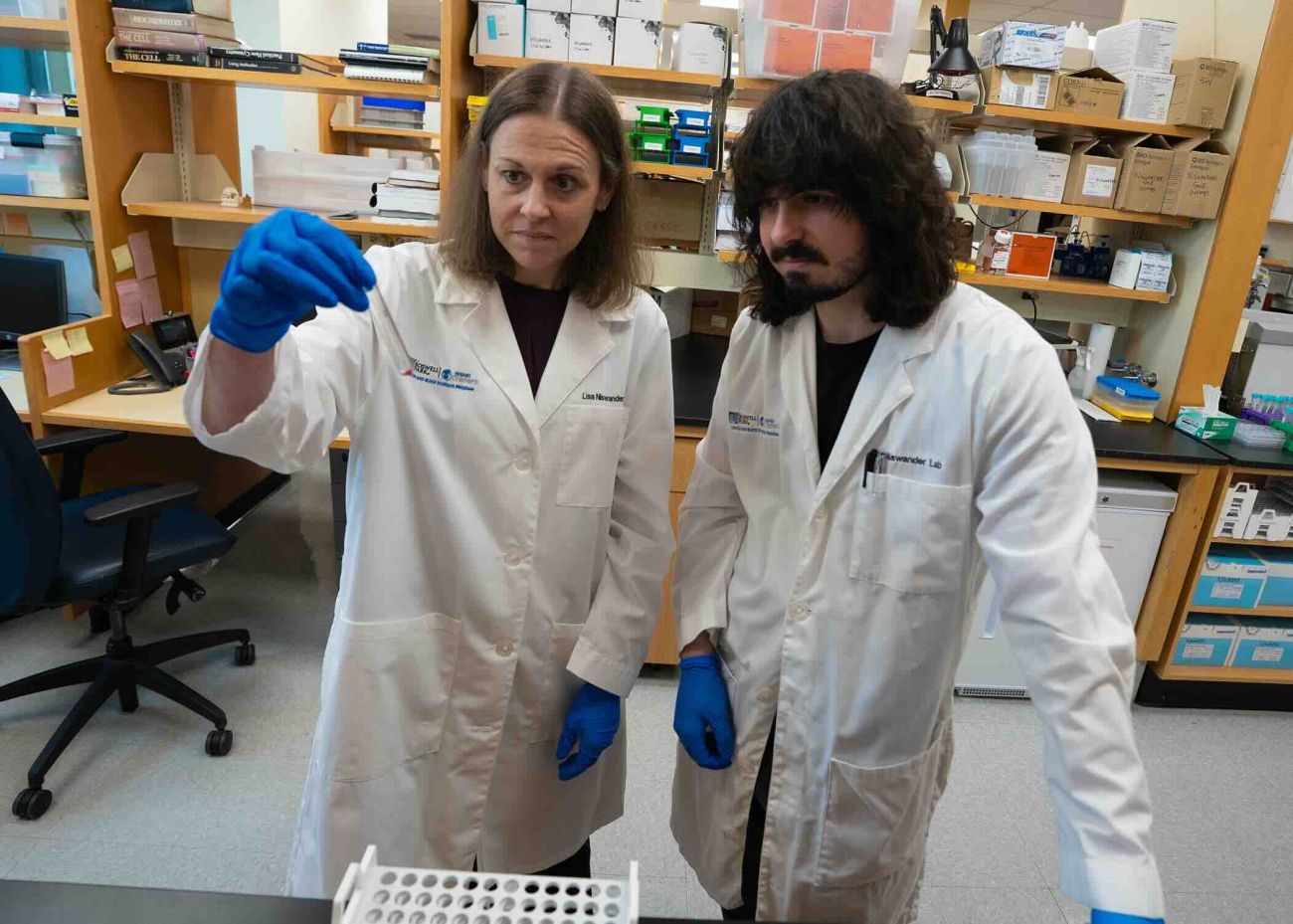
Now, an innovative combination treatment in development at Roswell Park Comprehensive Cancer Center in Buffalo, New York, could give more kids a chance to grow up. Lisa Niswander, MD, PhD, a physician-scientist and pediatric oncologist, is investigating ways to combine two new but proven therapies, CAR T-cells and a new class of targeted cancer drugs, to see if they can work better together to combat leukemia in the youngest patients.
“Now, we’re curing well over 90% of children who walk in the door with a new diagnosis of acute lymphoblastic leukemia,” says Dr. Niswander, who provides care to young cancer patients through the Roswell Park Golisano Children’s Buffalo Cancer and Blood Disorders Program. “Infant leukemia acts differently. It’s biologically different from leukemia that happens in toddlers or school age children or adolescents. There is a lot of room to improve in treating these babies.”
CAR T-cell therapy — also known as chimeric antigen receptor T-cell therapy — uses a patient’s own immune cells and supercharges them to fight cancer better. This recent advance involves extracting T cells, a type of immune cell, from a patient’s blood and engineering them in a specialized lab to recognize and kill leukemia cells. Once the cells are duplicated by the millions, they’re returned to the patient’s body through an IV infusion. Meanwhile, cancer drugs known as menin inhibitors block the interaction between the menin protein and an important fusion protein that drives the leukemia in the majority of these infant leukemia cases. Dr. Niswander calls the preliminary results of this combination approach promising.
“It actually looks like we’re making the T cells stronger by combining them with a leukemia targeted therapy,” Dr. Niswander says. “We may be able to outsmart the leukemia and really result in long-term cures for our patients with much fewer toxicities than our current regimens use.”
Hannah Koepsell was diagnosed with acute lymphoblastic leukemia (ALL) when she was 11 years old and went through multiple rounds of traditional chemotherapy.
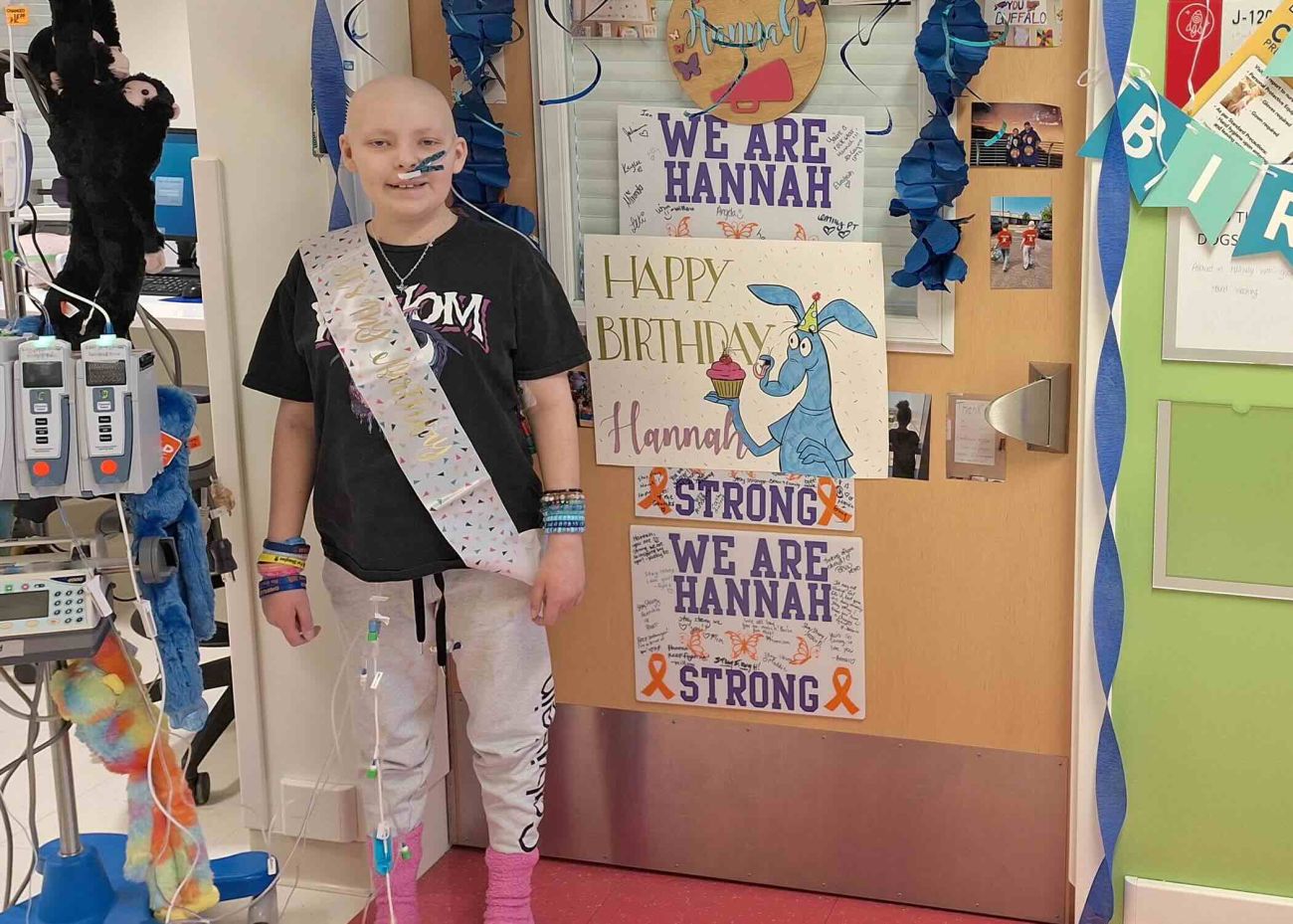
“It made me feel gross, disgusting, terrible,” Hannah says. “And it’s scary, like, ‘What’s going to happen to me? Am I going to live? Am I going to pass away?’”
Hannah received a bone marrow transplant donation from her brother the first time her leukemia relapsed. When the cancer returned again, she received CAR T-cell therapy.
“It trains them to be better cells, like Hulk cells,” Hannah says. “It’s easier than traditional chemo because it’s a lot more lightweight, and it’s not going to make your body upset.”
Hannah’s father, Jason Koepsell, is a cancer survivor himself and knows the benefits of genetically-altered therapies versus traditional chemotherapy after going through treatment for Hodgkin's lymphoma when he was 18.
“Heavy chemotherapy causes your blood levels to drop, causes a need for blood transfusions and can cause you to become sick,” Jason says. “These new therapies, they do their job destroying the cancer without hurting you so it doesn't affect your blood counts as much. Seeing what Hannah has been able to do now is incredible. We're so thankful for the treatments that they have.”
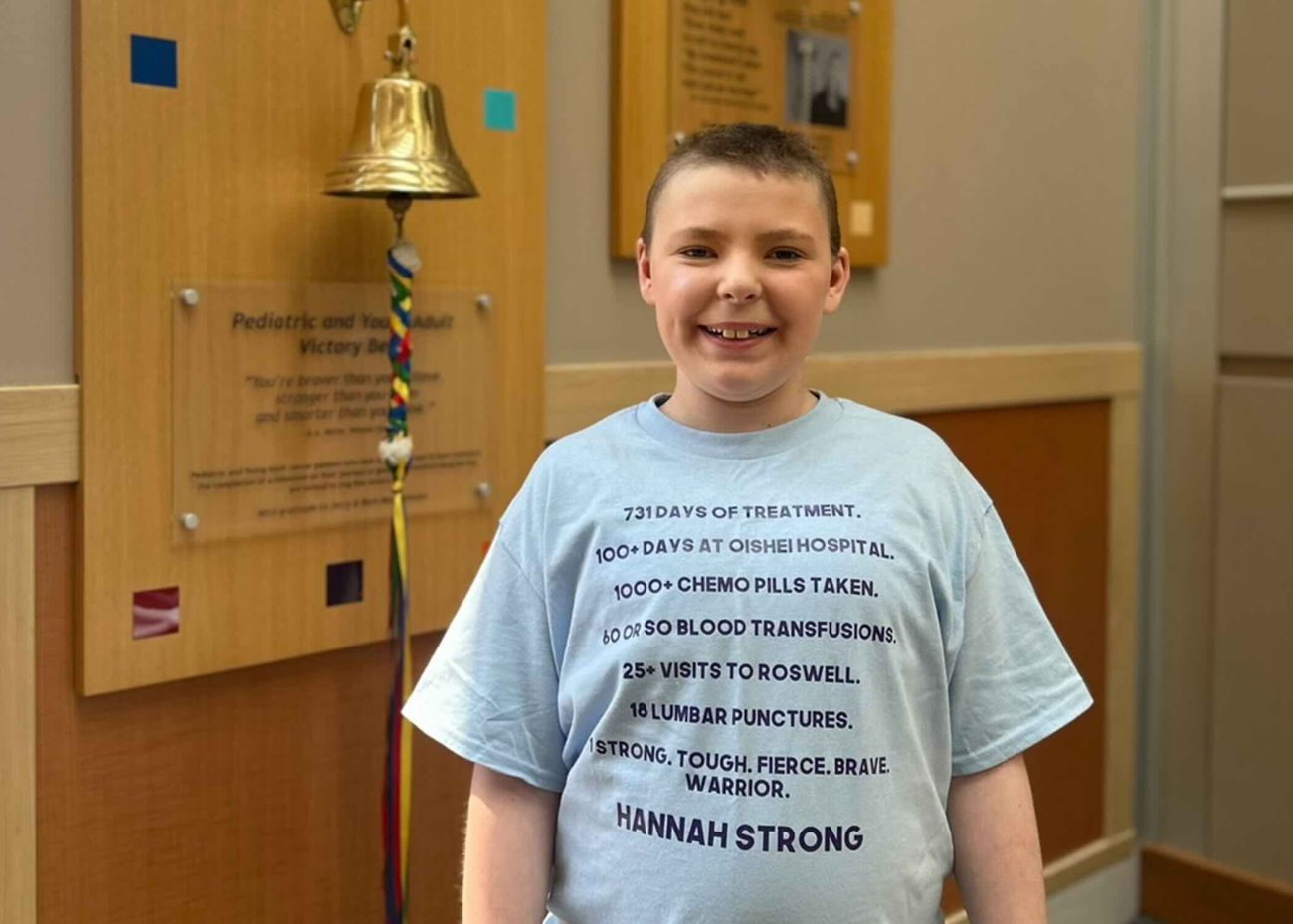
At 15, Hannah’s leukemia is now in remission, and Dr. Niswander is working to give the families of even younger patients the same hope.
“That’s what’s really driving us in the lab,” Dr. Niswander says. “A family that just brought a new baby into the world, parents who are facing this incredibly challenging time with their new baby really brings a level of motivation for a physician-scientist.”
This treatment option is still in development and is not yet available to patients. Dr. Niswander hopes to start clinical trials in the next few years with the ultimate goal of applying the combination approach more broadly to patients across different ages and types of leukemia.
The CAR T-cells are processed in Roswell Park’s expanded Good Manufacturing Practice Engineering & Cell Manufacturing Facility (GEM), one of the largest facilities of its kind in the United States. Its 20 sterile “clean rooms” house unique resources available at the only National Cancer Institute-designated comprehensive cancer center in Upstate New York.
For more information about Roswell Park’s care programs for kids with cancer, visit the comprehensive cancer center’s Childhood Leukemia page, call 1-800-ROSWELL (1-800-767-9355) or send an e-mail to AskRoswell@RoswellPark.org.
###
From the world’s first chemotherapy research to the PSA prostate cancer biomarker, Roswell Park Comprehensive Cancer Center generates innovations that shape how cancer is detected, treated and prevented worldwide. The Roswell Park team of 4,000+ makes compassionate, patient-centered cancer care and services accessible across New York State and beyond. Rated “Exceptional” by the National Cancer Institute, Roswell Park, founded in 1898, was one of the first NCI-designated comprehensive cancer centers in the country and remains the only one in Upstate New York. To learn more about Roswell Park Comprehensive Cancer Center and the Roswell Park Care Network, visit www.roswellpark.org, call 1-800-ROSWELL (1-800-767-9355) or email ASKRoswell@RoswellPark.org.
Jane Rose, Media Relations Specialist
716-845-4919; jane.rose@roswellpark.org