ZIP codes reveal rural, low-income patients have limited access to emerging therapies
- CAR T-cell therapies show great promise but are out of reach for many
- For GI cancers, geography and specific type determine availability
- Impact on patient recruitment hampers development of better treatments
BUFFALO, N.Y. and CHICAGO — Clinical trials are essential to the development of more-effective therapies and improved patient outcomes, but studies reveal that a patient’s home address can severely limit their ability to participate. Experts from Roswell Park Comprehensive Cancer Center will address that issue in two presentations tomorrow, May 30, in Chicago at the American Society of Clinical Oncology (ASCO) annual meeting, the largest clinical cancer research gathering in the world.
Team identifies geographic barriers to CAR T-cell clinical trial enrollment
CAR T-cell therapy has dramatically improved outcomes for hematologic malignancies and is showing promise against solid tumors, but rural, lower-income, Hispanic and Black populations face barriers to enrolling in clinical trials of these treatments. Armed with information about 307 trials conducted at 356 unique institutions, a Roswell Park research team geocoded the trial locations by ZIP code. They found that 10 major cancer centers accounted for more than 45% of all CAR T-cell clinical trials, making most trials accessible to patients in those metropolitan areas but significantly less so to patients in other regions.
Notably, about 130 million people, or 39.3 % of the U.S. population, were found to live 30 miles or more from an active CAR T site. The Roswell Park team emphasizes that overcoming geographic restrictions and institutional concentration of clinical trials is critical to ensuring equitable access and promoting broader participation in the continued development of cellular therapies.
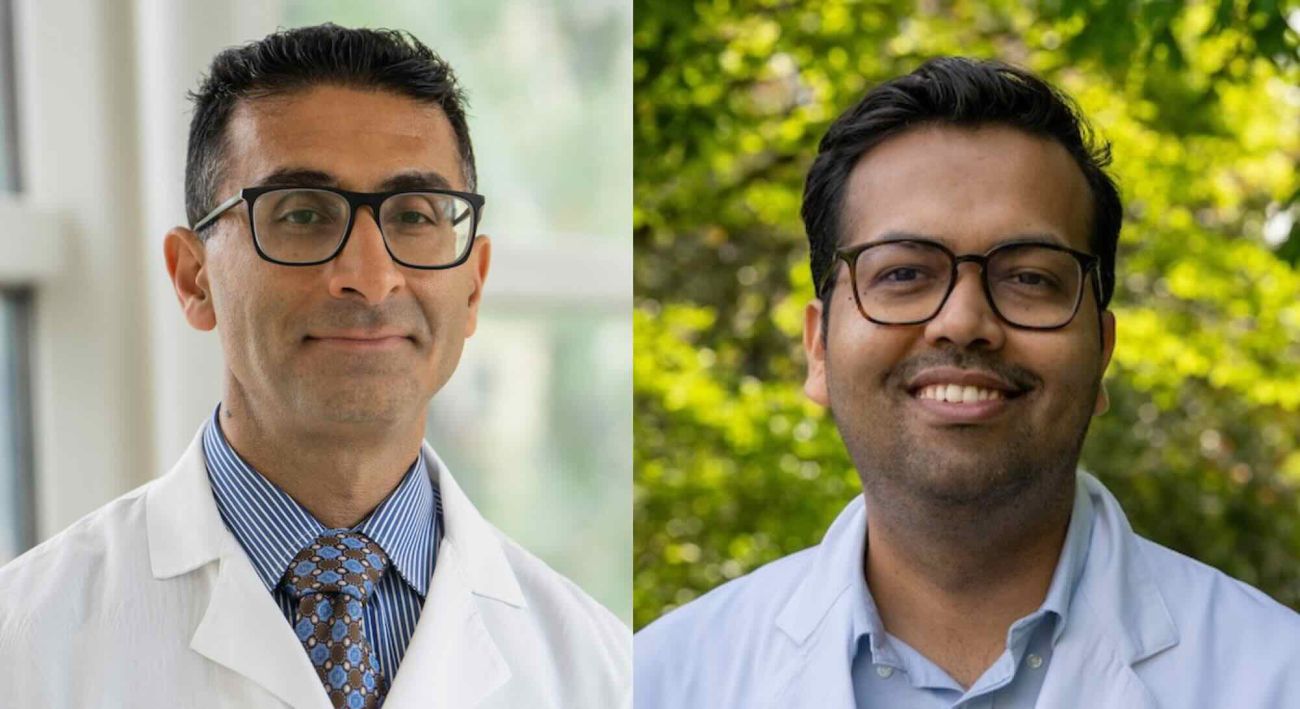
“CAR T-cell therapies are transforming outcomes, but our analysis makes clear that access to these trials is highly concentrated at a relatively small number of centers,” says Ehsan Malek, MD, Associate Professor of Oncology and Director of Multiple Myeloma Translational Research at Roswell Park. “Expanding access to these potentially transformational treatment options will be important for the field and for our ability to effectively build on the innovations of the last two decades.”
Presentation details
Assessment of CAR-T clinical trial availability and accessibility in the United States
- Abstract 1558, poster 308
- Saturday, May 30, 9 a.m.-noon CDT, Hall A
- First and presenting author: Rahul Thakur, MD, Chief Administrative Fellow in Hematology and Medical Oncology
- Senior author: Ehsan Malek, MD, Associate Professor of Oncology and Director of Multiple Myeloma Translational Research
Disease type, location affect access to GI cancer clinical trials
Some 40 million adults — more than 12% of the U.S. population — live in clinical trial “deserts” where access to clinical trials for gastrointestinal (GI) malignancies is severely limited.
Using ZIP codes to characterize those areas, Roswell Park researchers and their colleagues examined 283 disease-specific GI cancer trials at 1,322 unique trial sites that were recruiting in 2024, and identified access disparities in rural and low-income populations. The team further refined their analysis by categorizing the types of GI cancer, from the most common (colorectal, pancreatic, hepatocellular, gastroesophageal) to the rarest (anal, appendiceal, small bowel adenocarcinoma, biliary tract). Eighty-two trials for colorectal cancer were offered at a collective total of 1,026 sites, while just one trial for appendiceal cancer was offered at a single site. The authors concluded that future clinical trials for GI malignancies should strive to be more geographically inclusive.
“We found a striking mismatch between disease burden and availability of clinical trials offering new treatment options — from more than a thousand sites for colorectal cancer to just a single site for a rare GI cancer. Where a patient lives and the type of cancer they have can determine whether a clinical trial is even an option, underscoring the urgent need for broader access to clinical trials for cancer,” says Rahul Thakur, MD, Chief Administrative Fellow in Oncology/Hematology at Roswell Park.
Presentation details
- Abstract 1540, poster 264
- Saturday, May 30, 9 a.m.-noon CDT, Hall A
- Presenting author: Archit Patel, DO, Fellow in Hematology and Medical Oncology
- First author: Rahul Thakur, MD, Chief Administrative Fellow in Hematology and Medical Oncology
The conference continues through Tuesday, June 2.
###
From the world’s first chemotherapy research to the PSA prostate cancer biomarker, Roswell Park Comprehensive Cancer Center generates innovations that shape how cancer is detected, treated and prevented worldwide. The Roswell Park team of 4,000+ makes compassionate, patient-centered cancer care and services accessible across New York State and beyond. Rated “Exceptional” by the National Cancer Institute, Roswell Park, founded in 1898, was one of the first NCI-designated comprehensive cancer centers in the country and remains the only one in Upstate New York. To learn more about Roswell Park Comprehensive Cancer Center and the Roswell Park Care Network, visit www.roswellpark.org, call 1-800-ROSWELL (1-800-767-9355) or email ASKRoswell@RoswellPark.org.
Jane Rose, Media Relations Specialist
716-845-4919; jane.rose@roswellpark.org