Team identifies immune-suppressing metabolic checkpoint in tumor microenvironment, and a way to overcome it
- Metabolic reprogramming of key myeloid cells weakens antitumor response
- Lab studies show promising results with drug that inhibits glucose breakdown
- Study appears in Nature Communications
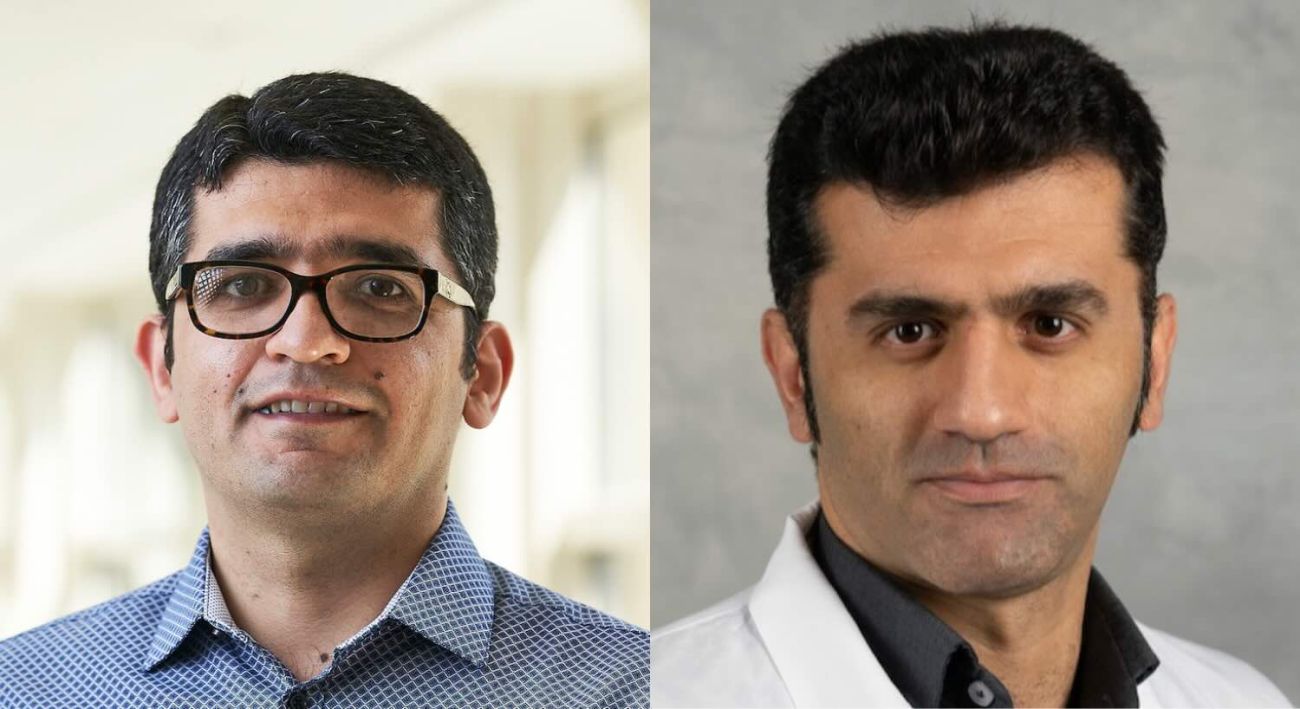
BUFFALO, N.Y. — New work from Roswell Park Comprehensive Cancer Center shows that the metabolic function of a key enzyme helps suppress the immune system’s antitumor response. In preclinical findings published in Nature Communications, a team led by Saeed Daneshmandi, PhD, and Hemn Mohammadpour, DVM, PhD, highlights a way to use a small-molecule inhibitor that targets specific steps of glucose breakdown to improve the effectiveness of a common form of immunotherapy, blocking the enzyme’s effects to “release the brakes” on the immune system.
In their laboratory studies with preclinical models of breast cancer along with melanoma and lymphoma models, the investigators focused on monocytic myeloid-derived suppressor cells (M-MDSCs). These immature immune cells in the tumor microenvironment overexpress the enzyme 6-phosphogluconate dehydrogenase (6PGD) to inhibit fighting T lymphocytes, which can kill cancer cells. That process enables the tumor to grow unchecked.
The team’s studies in the laboratory revealed that blocking the action of 6PGD with the small-molecule inhibitor 6AN slowed tumor growth and enhanced the effects of anti-PD-1 immunotherapy, a type of immune checkpoint inhibitor, significantly improving outcomes in preclinical cancer models.
“Our study reveals the mechanisms by which myeloid cells residing in the tumor microenvironment acquire a unique metabolic state that enables them to survive harsh conditions while simultaneously promoting tumor growth by suppressing antitumor immunity,” says Dr. Mohammadpour, Assistant Professor of Oncology in the Department of Cell Stress Biology at Roswell Park.
“By identifying and targeting this unique vulnerability, we can reverse tumor-driven immunosuppression and trigger a potent pro-inflammatory, antitumor immune response,” adds Dr. Daneshmandi, Research Assistant Professor of Oncology in the Department of Immunology.
The research team included collaborators from Markey Cancer Center in Lexington, Kentucky, and the Institute of Science Tokyo.
This work was supported by grants from the V Foundation, the Roswell Park Alliance Foundation, Brendan and Elise McCarthy and the National Cancer Institute within the National Institutes of Health (award numbers R01CA205246, R50CA283805 and P30CA016056, Roswell Park’s Core Grant from the NCI).
###
From the world’s first chemotherapy research to the PSA prostate cancer biomarker, Roswell Park Comprehensive Cancer Center generates innovations that shape how cancer is detected, treated and prevented worldwide. The Roswell Park team of 4,000+ makes compassionate, patient-centered cancer care and services accessible across New York State and beyond. Rated “Exceptional” by the National Cancer Institute, Roswell Park, founded in 1898, was one of the first NCI-designated comprehensive cancer centers in the country and remains the only one in Upstate New York. To learn more about Roswell Park Comprehensive Cancer Center and the Roswell Park Care Network, visit www.roswellpark.org, call 1-800-ROSWELL (1-800-767-9355) or email ASKRoswell@RoswellPark.org.
Jane Rose, Media Relations Specialist
716-845-4919; jane.rose@roswellpark.org