How is liver cancer treated?
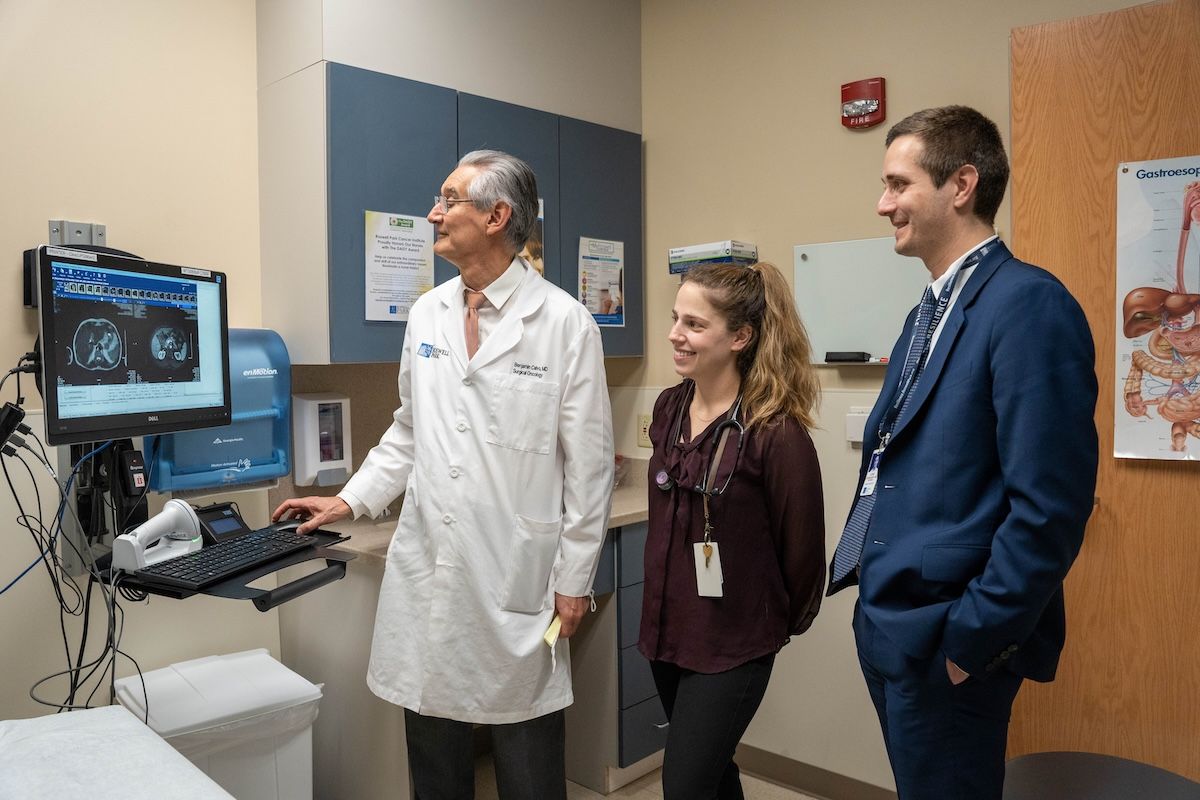
Determining which treatment approaches are best for you — and delivering them with optimal timing and sequencing — requires the expertise of a multidisciplinary team of liver cancer experts who work together each and every day, under one roof. When our liver specialists meet to review your case, they will explore all possible treatment options and collectively ascertain which will be most effective for you, and will be based on:
- The size and location of your liver cancer
- Whether your cancer has spread to nearby lymph nodes, blood vessels or other organs
- How well your liver is working
- Your age, symptoms and general health, including whether you have cirrhosis
Most liver cancers require multimodality treatment, which means your treatment plan is likely to include two or more of the following treatment approaches in sequence or together:
- Surgery to remove the tumors from the liver, allowing the healthy portion to regenerate.
- Ablation therapy to destroy cancerous lesions and tumors without surgery.
- NanoKnife Irreversible Electroporation is a surgical alternative that may be used when the tumor is too close to critical structures or blood vessels.
- Systemic medical therapy such as chemotherapy, targeted therapy or immunotherapy, uses drugs to kill cancer cells throughout the body.
- Embolization such as chemoembolization or radioembolization is a way to deliver anti-cancer treatment directly to the liver.
- Radiation therapy to target cancer cells with high-energy radiation.
- Clinical trials of the latest emerging options.
- Nutrition therapy to maximize your ability to maintain strength, tolerate treatment, heal and improve quality of life.
The Roswell Park Advantage
Our comprehensive care team will also integrate treatment of additional problems that impact your health and cancer care, such as cirrhosis, portal hypertension and abdominal fluid retention (acites). Nutrition care is a critical part of any treatment plan for liver cancer, and our clinical dietitians have expertise in addressing the unique needs of our patients with liver disease.