How is colorectal cancer treated?
The treatment plan that’s best for your cancer will depend on several factors, including your general health, your cancer’s stage and grade, and any unique genetic mutations that may be present.
Colorectal cancer treatment usually involves more than one kind of treatment and demands the expertise of physicians from several specialty areas, including surgical, medical and radiation oncologists, gastroenterologists and other experts.
Only at Roswell Park will you find all these specialists together under one roof, where they collaborate every day to consider every possible treatment option and determine the best plan for you.
Your treatment may include one or more of the following approaches:

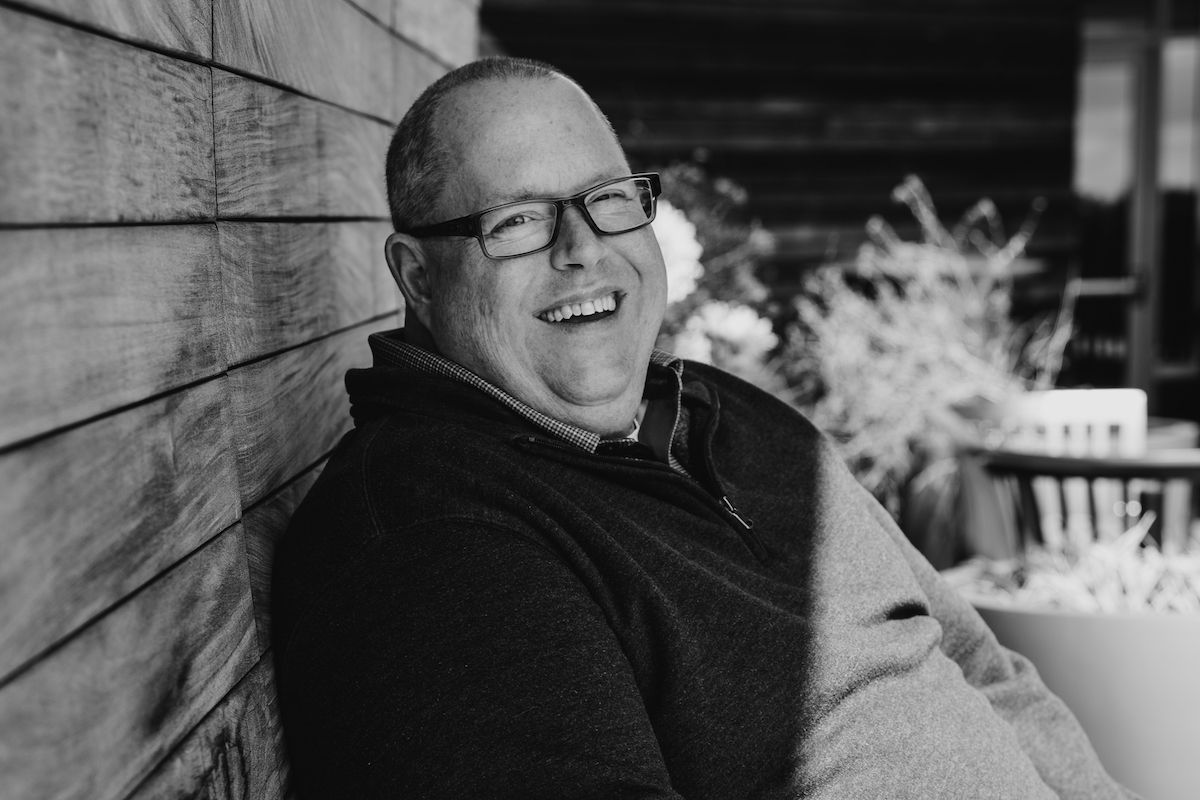
Advanced, robot-assisted surgery was worth the 3-hour drive to Buffalo for Richard. Read more
- Non-surgical endoscopic treatment to remove early-stage cancers without an operation.
- Surgery to remove colon and rectal cancers can often be performed with minimally invasive laparoscopic and/or robotic techniques.
- Medical therapy which uses drugs to kill cancer cells or slow their growth.
- Radiation therapy to attack cancer cells or ease cancer symptoms.
- Clinical Trials to access the latest drugs and treatments.
- Total neoadjuvant therapy for rectal cancer is a new treatment approach that delivers most of the cancer treatment before surgery.
Roswell Park offers dedicated programs for patients with:
Young Onset Colorectal Cancer Colorectal Liver Metastases Recurrent Rectal Cancer
More than cancer care
At Roswell Park, we integrate nutrition therapy, mental health support, pelvic floor rehabilitation and other services into your personalized treatment plan to optimize survival and quality of life for years to come.