The Nature of Primary Brain Tumors
Primary brain tumors start in the brain and grow steadily there. They very rarely spread to other organs through the bloodstream, unlike the malignant tumors of the breast, lung, colon and kidney. The most common category of primary brain tumors is the “gliomas”. This group of tumors is called gliomas because they all arise from glial cells, which are the supporting cells of the central nervous system. In contrast, “neurons” or nerve cells of the brain rarely give rise to tumors. There are three main types of gliomas. They are astrocytoma, oligodendroglioma and ependymoma. They arise respectively from cells called astrocytes, oligodendrocytes and ependymal cells. Each type of cell has certain normal functions in the brain and is essential for normal physiological functioning of the brain.
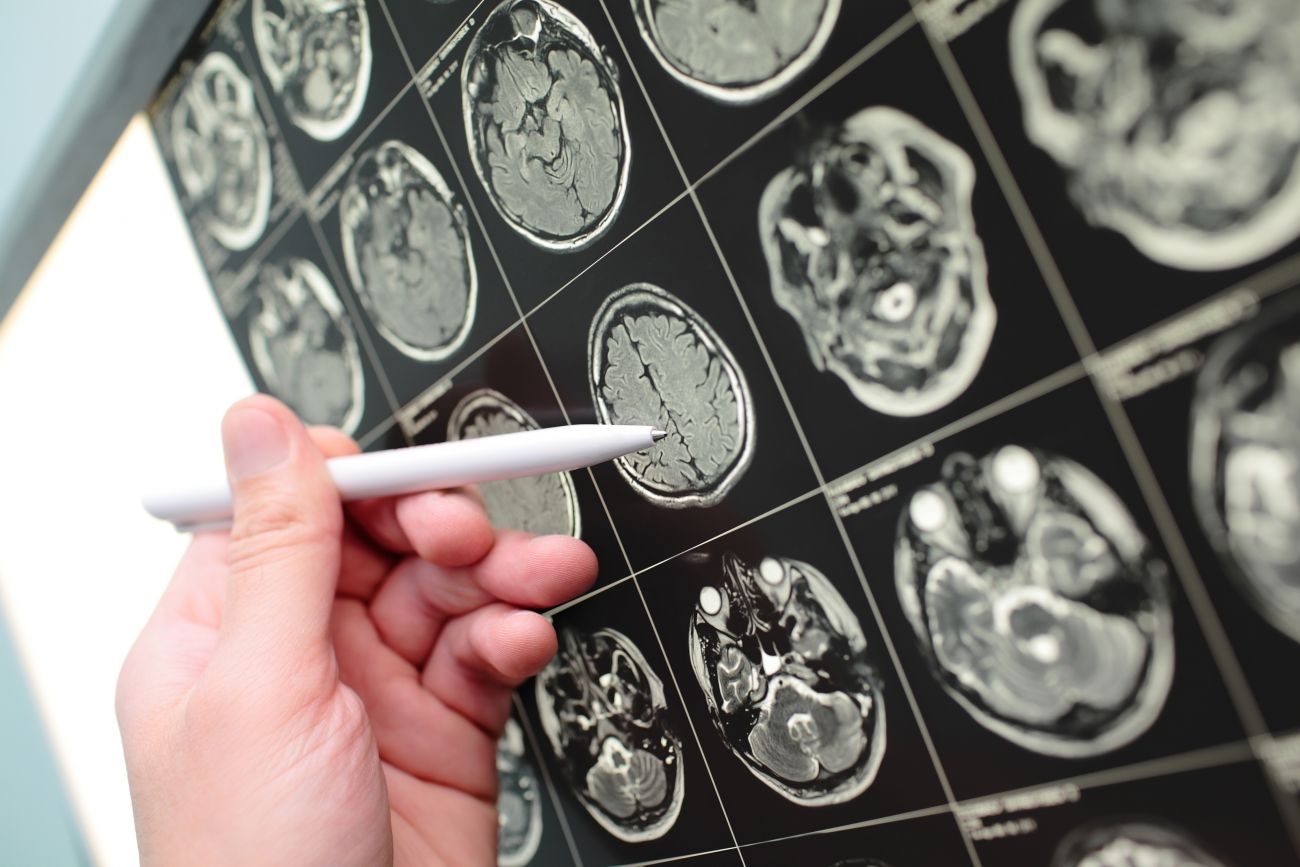
At the time of diagnosis, most gliomas are composed of many billions of individual tumor cells, each measuring a few millionths of an inch across, and visible only under a powerful microscope. Glioma cells often spread into the surrounding brain tissue along nerve fibers invading the spaces between nearby normal brain cells. Some gliomas invade the surrounding brain more than others. This feature of gliomas accounts for the difficulty encountered in obtaining complete surgical removal. MRI scans often reveal the largest part of a glioma, but they cannot reliably show those areas of brain where small numbers of tumor cells have invaded. Moreover, efforts to remove small numbers of tumor cells from within the brain tissue must not be overly aggressive; otherwise, loss of neurologic function could occur. Consequently, neurosurgeons are frequently unable to remove the entire glioma. In such cases, post-operative treatment with radiation therapy and chemotherapy may be advisable.
Even though gliomas often cannot be removed completely, surgery to remove as much of the tumor as can be removed safely is often advisable. This neurosurgical principle is called, “maximum safe resection.” This type of operation reduces the adverse effects of the tumor on the surrounding brain tissue and is thought to improve the chances for radiation therapy and chemotherapy to be effective. However, maximum safe resection usually does not remove every glioma cell. Unfortunately, even with maximum safe resection, followed by radiation therapy and chemotherapy, gliomas can grow back. Under such circumstances, re-operation and other treatments may be appropriate.
Currently, the treatment of gliomas of all types is evolving, but remains far from perfect. Patients with gliomas should be encouraged to consider becoming involved in clinical trials of new treatment methods that advances can be made.
Specific Types of Primary Brain Tumors
Gliomas are the common primary brain tumors are gliomas. They begin in glial cells and there are several types:
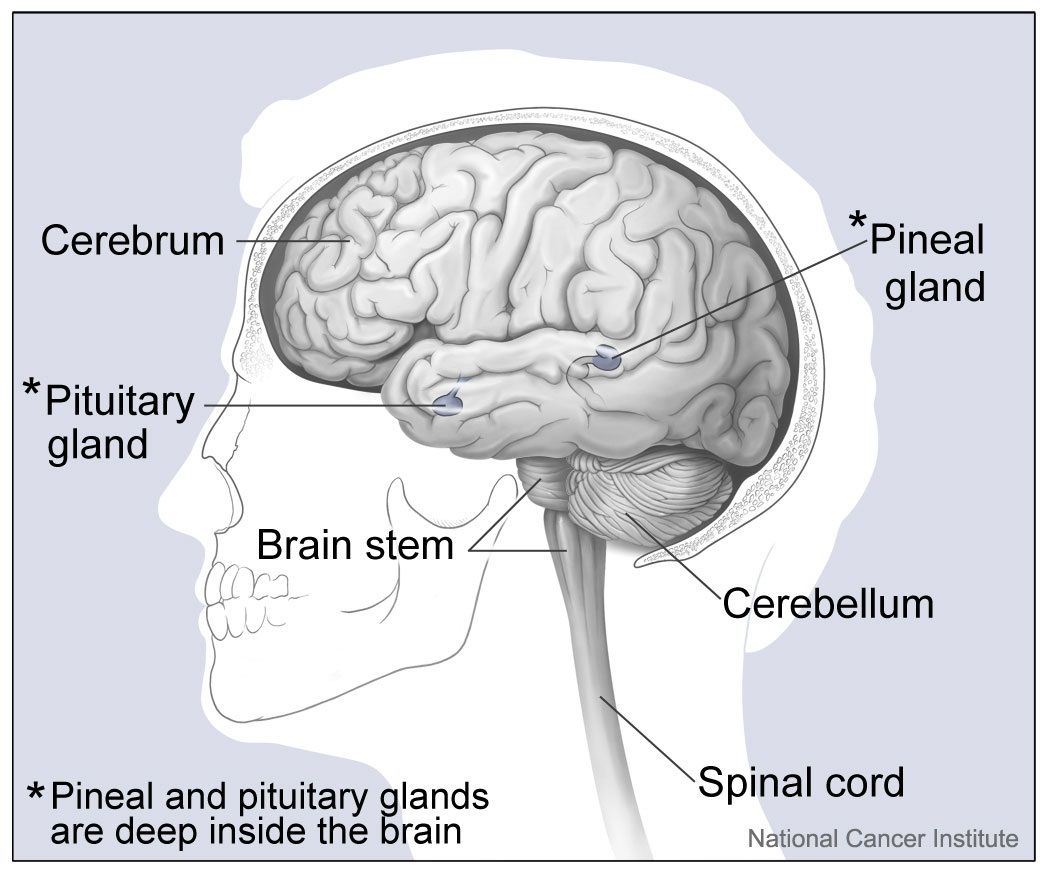
- Astrocytoma The tumor arises from star-shaped glial cells called astrocytes. In adults, astrocytomas most often arise in the cerebrum. In children, they occur in the brain stem, the cerebrum, and the cerebellum. A grade III astrocytoma is sometimes called an anaplastic astrocytoma. A grade IV astrocytoma is usually called a glioblastoma multiforme. Grades I and II astrocytomas are called low grade astrocytoma.
- Brain Stem Glioma The tumor occurs in the lowest part of the brain. Brain stem gliomas most often are diagnosed in young children and middle-aged adults.
- Ependymoma The tumor arises from cells that line the ventricles (fluid filled spaces within the brain) or the central canal of the spinal cord. They most commonly arise in children and young adults.
- Oligodendroglioma This rare tumor arises from cells that make up the fatty substance called myelin that covers the nerves like electrical insulation. These tumors usually occur in the cerebrum. They grow slowly and usually do not spread into surrounding brain tissue like astrocytomas do. They are most common in middle-aged adults. There are other types of specific types of gliomas with their own specific characteristics and modes of growth including: juvenile pilocytic astrocytoma (JPA), pleomorphic xanthoastrocytoma (PXA), subependymoma, and ganglioglioma.
Non-Glial brain tumors do not begin in glial cells. The most common of these are:
- Medulloblastoma This tumor usually arises in the cerebellum. It is the most common brain tumor in children. It is sometimes called a primitive neuroectodermal tumor or PNET.
- Meningioma This tumor arises from the meninges that are the outside coverings of the brain located between the skull and the brain itself. It usually presses on the brain and does not invade it. Meningiomas often grow slowly.
- Schwannoma This is a tumor that arises from the Schwann cell. These cells are present in certain nerves, including those that control balance and hearing. One common site of Schwannoma growth is on the vestibular nerve that carries signals from the inner ear to the brain stem. Tumors arising in this location are called acoustic neuroma, although the more proper term is vestibular schwannoma. These tumors occur most often in adults.
- Craniopharyngioma The tumor grows at the base of the brain and arises from the band of tissue connecting the brain and the pituitary gland. This type of tumor may occur in both adults and in children.
- Pituitary Adenoma These tumors arise from the pituitary gland and may cause compression of the optic nerves causing vision problems. Some pituitary tumors produce excessive amounts of hormones that can disrupt the body’s metabolism.
- Secondary or Metastatic Brain Tumors When cancer spreads from its original place to another part of the body, the new tumor has the same kind of abnormal cells and the same name as the primary tumor. Physicians call the tumor in the brain a secondary, or “metastatic” tumor. Secondary tumors in the brain are far more common than primary brain tumors.