Roswell Park is a high-volume center for minimally invasive esophagectomy, and performs more than any other WNY facility
Surgery for esophageal cancer aims to remove all of the cancer, including a portion or all of your esophagus, parts of other organs that contain cancer, such as the stomach, and any affected lymph nodes. The type of surgery you need will depend on how large your tumor is and where in the esophagus the tumor is located.
These procedures include:
- Ivor Lewis Esophagectomy. This procedure is used most commonly for tumors located in the bottom portion of esophagus, and/or the junction where the stomach connects with the esophagus. The surgeon removes the portion of the esophagus that contains cancer and then repositions the stomach higher in the chest to reconnect with the remaining part of the esophagus.
- McKeowns Esophagectomy. This approach is used for tumors in mid- to upper-third of esophagus and involves removing most of the esophagus and reconnecting the esophagus in the neck.
- Transhiatal Esophagectomy. This approach is used for selected patients that have poor lung function. The surgeon works from both the abdomen and neck to make the connection in the neck without the need to involve the chest cavity.
Robotic surgery for esophageal cancer
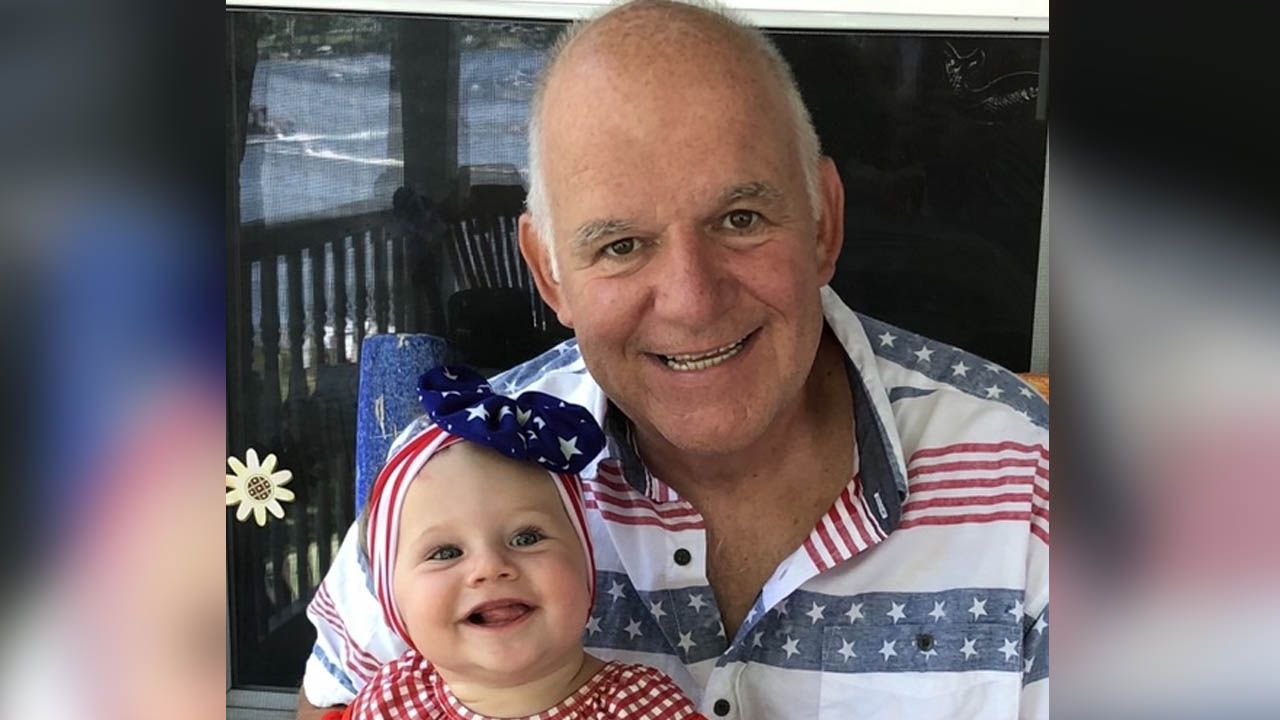
A second opinion at Roswell Park meant Doug Green was a candidate for a minimally invasive surgery for his gastroesophageal junction cancer.
At Roswell Park, our surgeons perform these operations with the use of robotic surgical devices. While robotic surgery is increasingly common for other types of operations, few centers have the surgical qualification and high-volume experience to offer robotic surgery for these difficult esophageal procedures.
The benefits are significant. With a traditional, surgical approach, the physician uses a very large incision in the chest and abdomen and patients usually require intensive care for a few days and a hospital stay of about two weeks. With minimally invasive robotic surgery, the procedure:
- Uses several very small key-hole incisions
- Leads to a speedier recovery, less pain and reduced complications
- Does not require intensive care typically. Most patients spend one night in a step-down unit, are up walking the next day.
- Means a shorter hospital stay of just 6 to 7 days
Request an appointment Find a doctor
Roswell Park method reduces complications, improves outcomes
Roswell Park is a high-volume center for robotic surgery and performs 60 to 70 esophagectomies each year (25 per year is considered high-volume) with more than 90% using robotic technology. Since 2014, Roswell Park’s surgical team led by Moshim Kukar, MD, has performed more than 700 minimally invasive esophagectomies, and more that 250 were robot-assisted. Our team has achieved "textbook outcomes" for 90% of surgeries that reflect length of hospital stay, rate of complications, readmission and mortality, and published these results in the Journal of Gastrointestinal Surgery.
At Roswell Park, the esophageal cancer treatment team includes both gastrointestinal and thoracic (lung) surgeons who work together to look at your cancer from every perspective and plan the very best surgical approach for you.
Our ability to perform these operations robotically is especially important for patients with aggressive cancers who need to be well enough to start systemic therapy as soon as possible.