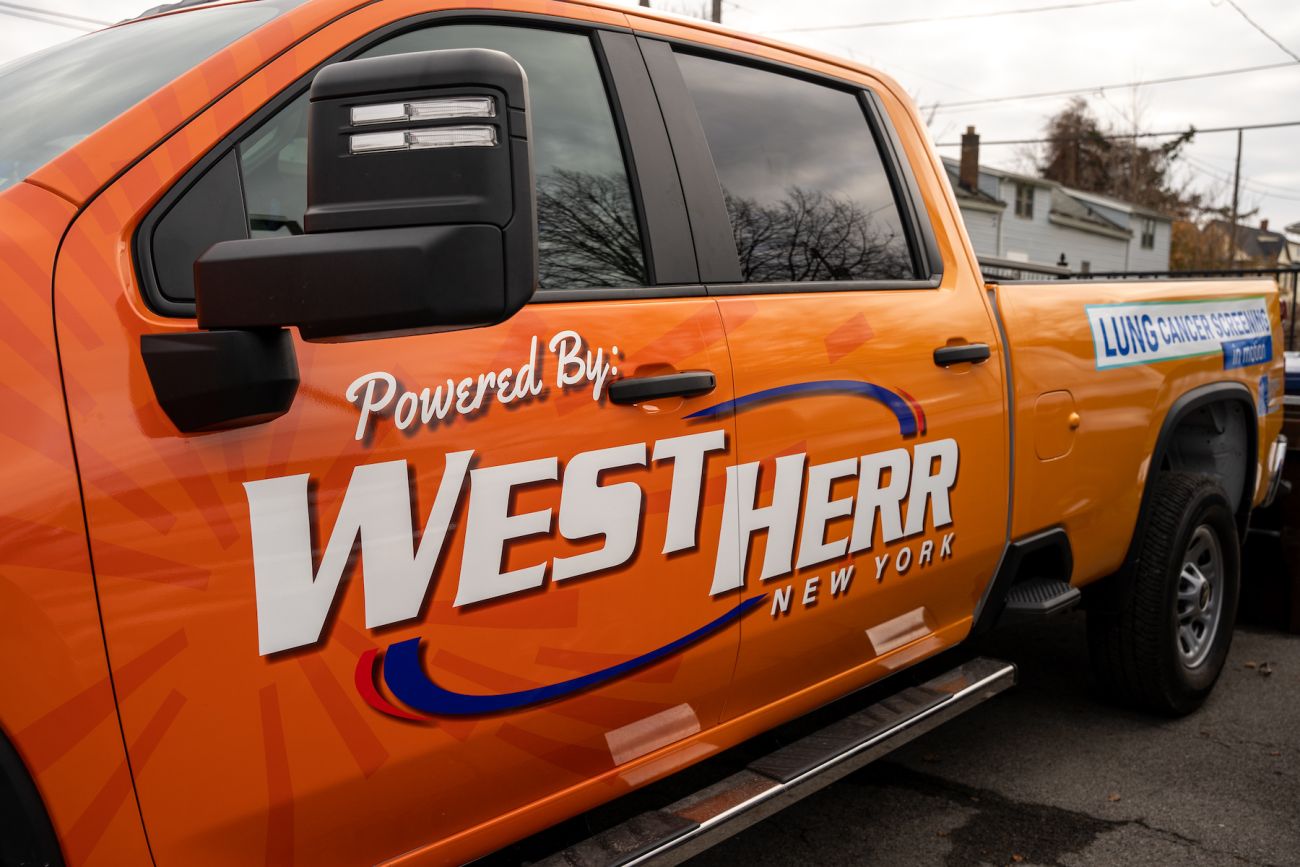
David: OK, Hajar, for today's episode. I really want to introduce you to a new friend of mine.
Hajar: Ooh, sounds fun.
David: His name is EDDY, and he's really cool.
Hajar: Okay, tell me about him.
David: Well, he's… big. He's like, really big.
Hajar: Oh my God, David. Now, is that a nice thing to say?
David: Well, yeah, I mean, no, he… he's big, but he… he gets around really well. And he's really good at his job.
This is Smarter Than Cancer, by the way. And I'm David Hoffman. Hajar: And I'm Hajar Eldaas. So you interviewed Eddie?
David: No, he can't talk.
Hajar: Eddie can't Talk.
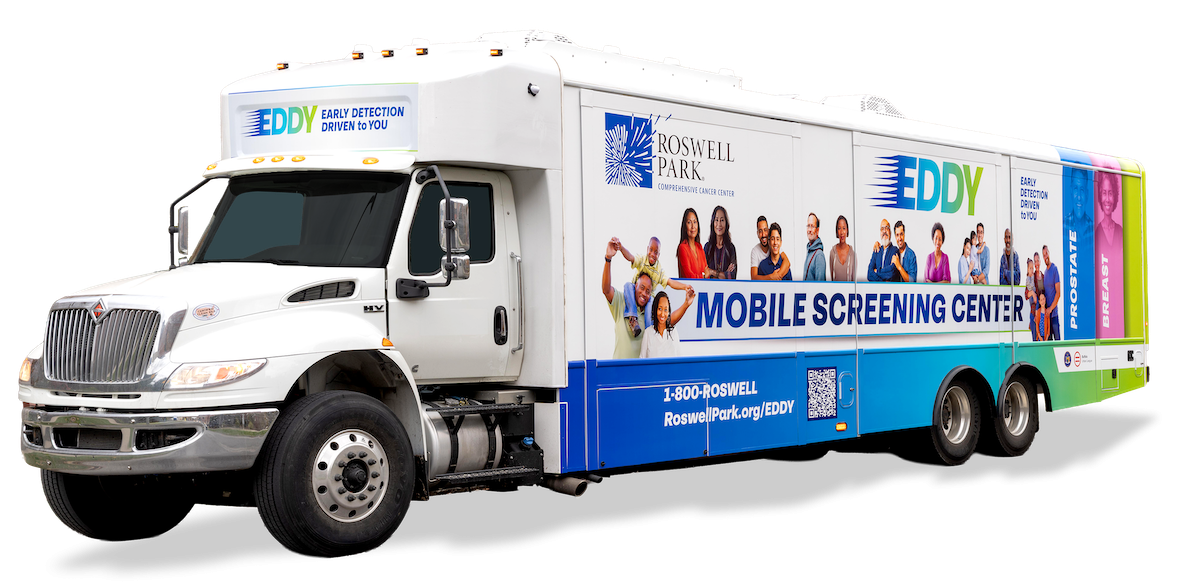
David: You see, EDDY is a truck.
Hajar: Okay, a truck.
David: He's a really nice truck though, and he does a lot of good in his community.
Hajar: I see.
David: So you want to meet him?
Hajar: Sure – let's meet your friend, the truck. (Opening Music)
(In the field)
David: So I was… I was picturing like, oh, I don't know, like a bookmobile. And this is like a semi truck. This is a huge… it's a huge operation.
Medina: It's massive. You need a semi truck to tow it outta here.
So, we're not too chilly, but…
(Door opens and closes)
David: So we just stepped into this giant blue, like, I don't even know what the right word is… like, truck container?
Medina: Trailer…
David: Trailer, yeah.
Medina: …if you wanna call it that
David: Yeah, like back end of a semi truck. It's huge. And I'm standing in here and there's… that's a full-on CT machine?
Medina: Yes, it is. State of the art, installed in ‘22 and manufactured in 2022. So it's very high-end.
David: That's Luke Medina. He's a patient navigator in the Community Outreach Department here at Roswell Park, and he's part of the team that travels in this giant mobile radiology lab, which everyone calls EDDY — E.D.D.Y — short for Early Detection Driven to You. He was kind enough to give me a tour.
David: You walk in the door, you walk up the side, and then you walk into sort of an office with a bunch of computer stations.
Medina: Right?
David: And I guess this is where you and your colleagues work and get people welcomed in and…
Medina: Yes. So this is like the control center. This is where the tech operates the machine and gets the images ready. And these other workstations are for our PAs and our nurses.
David: And to the left is that room with the CT scanner, and… amazing, really. It just looks like something out of the most high-tech hospital you've ever been in. And then these walls, these amazing, um… It's, sort of, murals. It looks like a…
Medina: Brightens up the vibe a little bit.
David: … looks like the coast of, oh, I don't know, California or something. Doesn't look like Buffalo.
Medina: Not at all.
David: This is nice!
Medina: (Laughs)
McNulty: It's a 53 foot trailer. It's very large.
David: That's Alyssa McNulty, Director of Community Outreach and Engagement.
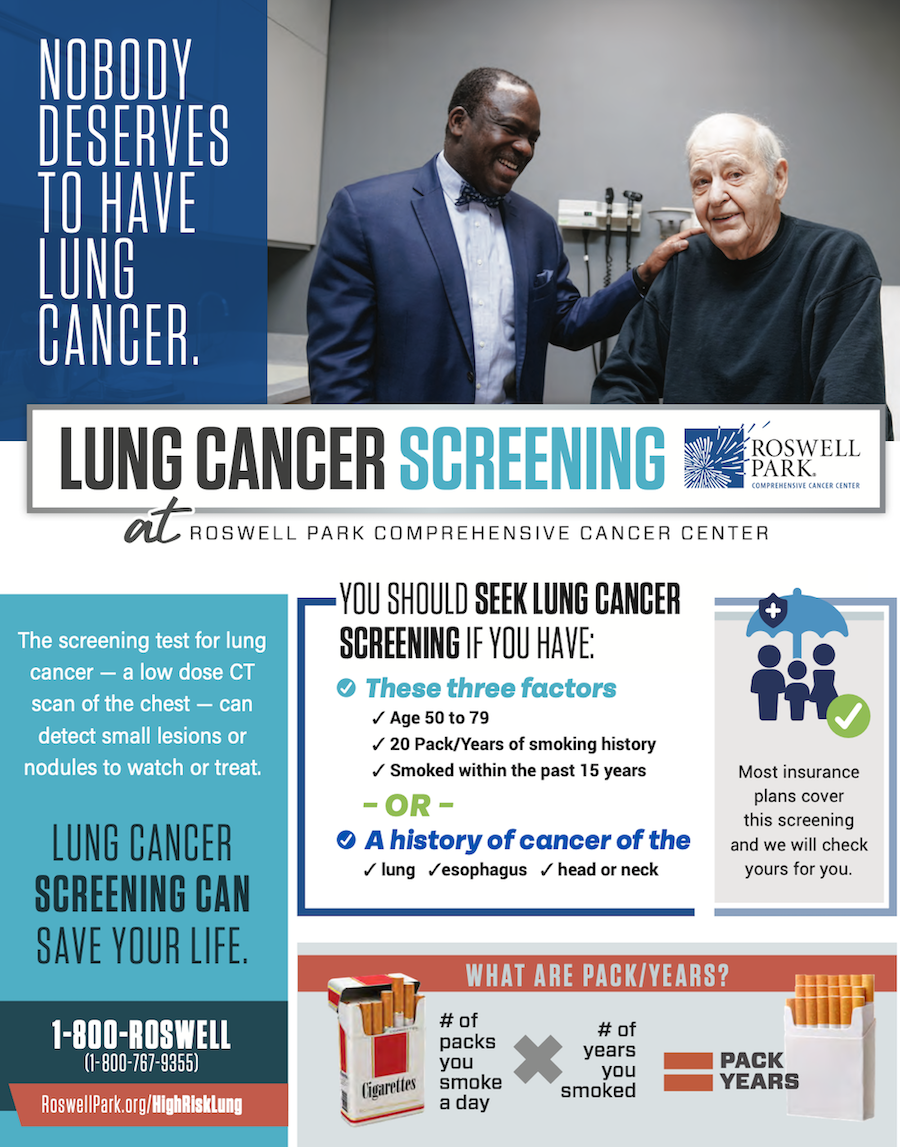
McNulty: We've been to 52 different unique locations with that mobile trailer, which is wonderful because there's a lot of places in New York, especially Western New York, where folks have to travel at least an hour to get to their nearest CT scanner. So we're able to bring low-dose CT scans to people outside of their front doors.
David: So why is this so important?
McNulty: It's important because a lot of people in our area just don't have access to these screening tests. They don't have
transportation. Maybe they're scared. And you know, Roswell always says, “spend one day with us”, and with these mobile units, we're able to go spend a day with you, in your community. So we're bringing it to places that people are comfortable, where we feel more approachable. You don't have to walk into a hospital. So there's just so many benefits to taking it out of the main hospital.
The goal of screening is to find cancer early, when it's more treatable. And when we're able to do that, the treatment is much more successful
David: This EDDY, the EDDY I met, uses his low-dose CT scanner specifically to screen for lung cancer. This is a relatively new idea. It became recommended by the CDC less than 15 years ago, and many people still don't know it's an option. There are a lot of people who are eligible for this screening, and who might have their lives saved by catching lung cancer early, but who just don't know to get it done.
McNulty: Lung cancer screening is very different from breast cancer screening, colorectal cancer screening. You hear about breast cancer for the whole month of October, we turn the month pink. Colorectal cancer, you see commercials for Cologuard. But lung cancer screening’s different
David: It's also different because there's a certain stigma attached to lung cancer that doesn't come with other cancers. Because it's so closely tied in the popular consciousness to smoking, some people tend to be less sympathetic to hearing about this diagnosis. There's this terrible idea that when people get it, it's kind of their own fault; they should have made better choices.
McNulty: People blame themselves. And so I want to do a lot of work to take the stigma out of it and remind people that even if you're still smoking, you don't have to quit, but you could still come get screened. We're happy to help you quit if you want to quit, but you should still come get screened, and not worry about blaming yourself if you do have a finding.
Lung cancer is the number one cancer killer in our area. So just because you think less people are smoking, people are still dying from lung cancer, and EDDY and other lung cancer screening programs can do a lot of work to make that difference and take that mortality rate down by finding cancers early when they're more treatable.
David: And that speaks to the fact that it's not just a disease of smokers, yeah?
McNulty: Yeah, absolutely. Lung cancer is still a problem regardless of smoking. And again, like I said, nobody who smokes should blame themselves for the cancer. No one deserves to have lung cancer. This program is available to you. Screening is available to you. Everyone deserves to get screened and find something early so that it's more treatable.
David: And you said You travel kind of far with these? All over Western New York and…
McNulty: Yeah, we've all over Western New York. We've actually been as far as Binghamton, New York, which is about a three hour drive from Buffalo.
David: Wow!
McNulty: We've parked in primary care offices; we've found a few physicians in our western New York area who are really champions for lung cancer screening.
And we've been invited by Senators and different Congresspeople to park at their offices and screen people from their districts. We've also parked at churches; we do a lot of faith-based outreach. We've also parked at just grassroots community-based organizations.
I participate in a lot of health coalitions across the area, for health equity and things like that. And so people from those groups will call me and say, “hey, I have this…”, you know, “…turkey giveaway…”, for example, “…happening in my community.
Do you wanna park the unit while people are coming through to get their turkeys? They could also talk to you about lung cancer screening.” So there's a lot of different ways that we engage with the community.
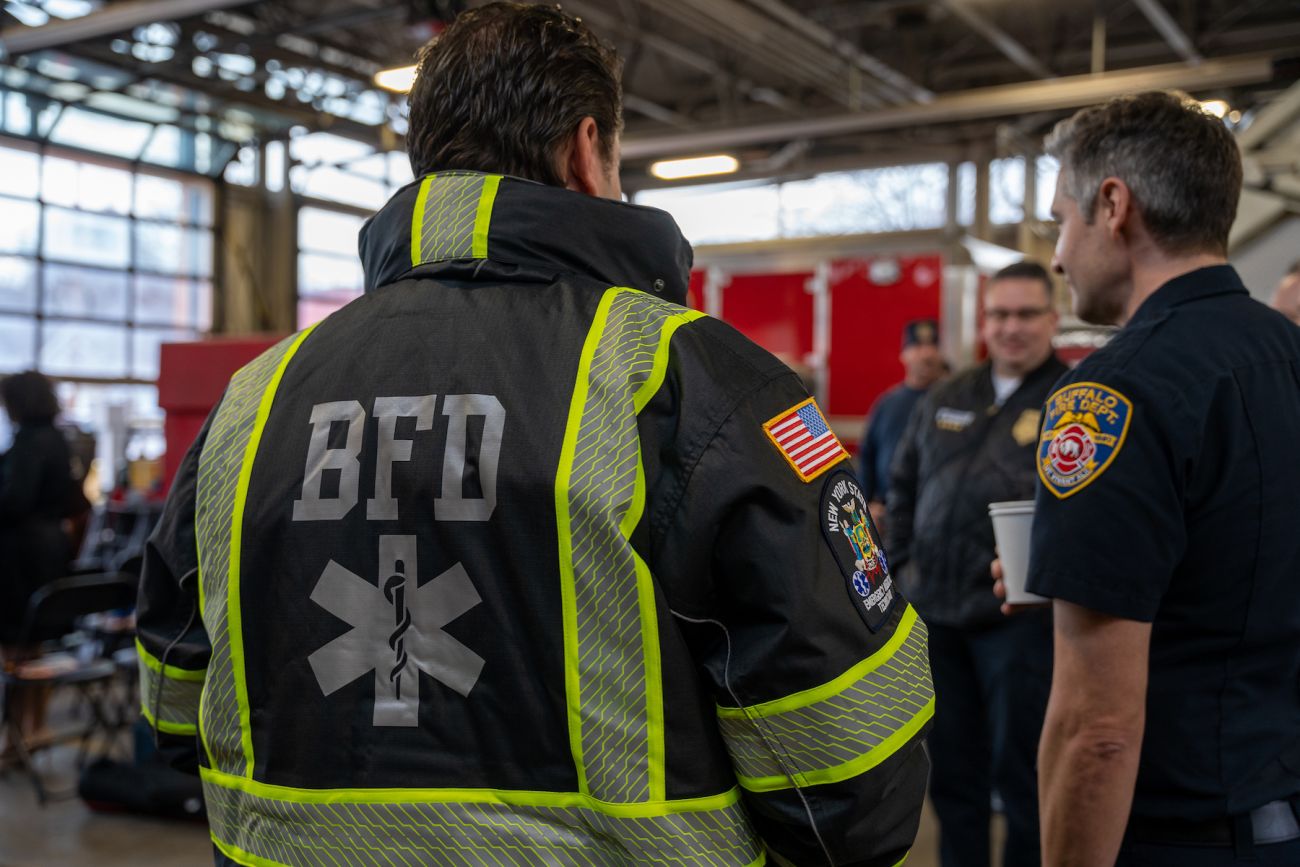
Roswell Park has an existing partnership with our first responders in the area. A lot of it stemmed from cancer diagnoses and findings after the 9-11 attacks in New York City, You know, a lot of first responders from Western New York were called down to New York City, and then were having follow up care and having cancer findings. So Roswell Park did a lot of work to develop a kind of a first responder screening program. So when we launched EDDY Lung, we saw an opportunity to work with our firefighters in the Buffalo Fire Department.
The standard in fire departments is an annual chest x-ray to look for anything that might be going on, but a low-dose CT scan is much better in terms of what we can see and treat from. And so we were able to work with our Mayor, so our local government, and the Buffalo Fire Department to make plans for baseline scans for all of the Fire Department, which is really a new thing, countrywide, nationwide. So we scanned about 750 firefighters
Overall, we've scanned almost 3000 people from 120 different zip codes.
David: Wow.
McNulty: Yes. Thousands of people.
David: That's amazing.
Medina: It’s great. It's really good that doctors are getting to people with that history of smoking and, you know, letting them know that it's an important thing to do, to get scanned for lung cancer.
Back in the day, it wasn't really like that. Now it's kind of… it's taught that it's something you do. You know, like, as you get older with age, you have your, you know, regular screenings,
like colonoscopy, prostate exam, mammogram, and this is kind of being included as something that has to kind of be a box that's checked.
David: If I were coming in now for a screening, what would happen? What would be the steps? What would I do?
Medina: Well, you don't have to do too much. It's pretty straightforward. If we had already identified you and gotten your, you know, history and age and everything like that, you just walk up through the door, you come talk to our physician's assistant — takes about, like, three minutes — and then they fire up the scanner and get it ready to go. You know, you lay down, and it takes about a minute for you to go through over here. You don't have to go through too much at all, so…
David: Wow. Oh, that's so funny. 'cause I know a lot of people do get, like, CAT scans and MRIs confused, where it like takes 20 minutes and you have to listen to it, you know, in a tube. This is a very quick.
Medina: Yes.
David: Easy thing to do.
Medina: Very quick.
David: Yeah.
Medina: Very quick. Don't have to plan your day around it or anything like that. So…
David: And then as a navigator, are you the person who's following up with someone when you get the results, and maybe helping them work through what next steps might be?
Medina: Yeah, well, we kind of help them understand what their care plan may be. We kind of like try to make things more clearer, cut down jargon, put it into, like, simple terms what's going on, and, um. Okay, if they may need, like, some additional
support, the main role is to make that line of communication more clear between the patient and the doctor and also make sure that their access to care is as streamlined as possible.
David: Here's Nikia Clark Robinson, who also serves as director of Community Outreach and Engagement here at Roswell Park.
Clark-Robinson: You know, I think everybody, at a baseline level, they know certain things that they need to do to be healthier. They know of cancer. But sometimes, just to get a person in to get screened or, kind of, move them to action, either being a healthier behavioral lifestyle to lower cancer risk, or to get screened, they need some help. They need some resources. Navigating the medical system is challenging; it is not easy. Sometimes we know that… things that we should do for ourselves, we put to last. You know, it's hard to think about changing some health behavior habits, you know, even getting screened.
People still have fear, you know? “What if that screening comes back positive for cancer? What do I do then? What's next? I really can't take that on with where my life is at right now. So I'd…”
David: Like if it wouldn't be there if you didn't know about it,
Clark-Robinson: Right? Like if I don't talk about it, if I don't… I don't have to deal with it. It's not really there.So it's working through all of that and always making healthcare accessible and easy.
We find that people really get stuck with knowing what the next step is. And you just need a gentle… A push, sometimes a reminder, or somebody just to hold your hand through the whole process. And that's what we provide.
You know, people, for no fault of their own, may not seek it out for themselves. It's scary and it's hard. So we're there to help.
David: And now, as of just before the recording of this episode, the EDDY I met is just one of two EDDYs that are going to be crisscrossing the area. The second one's screening for different kinds of cancer.
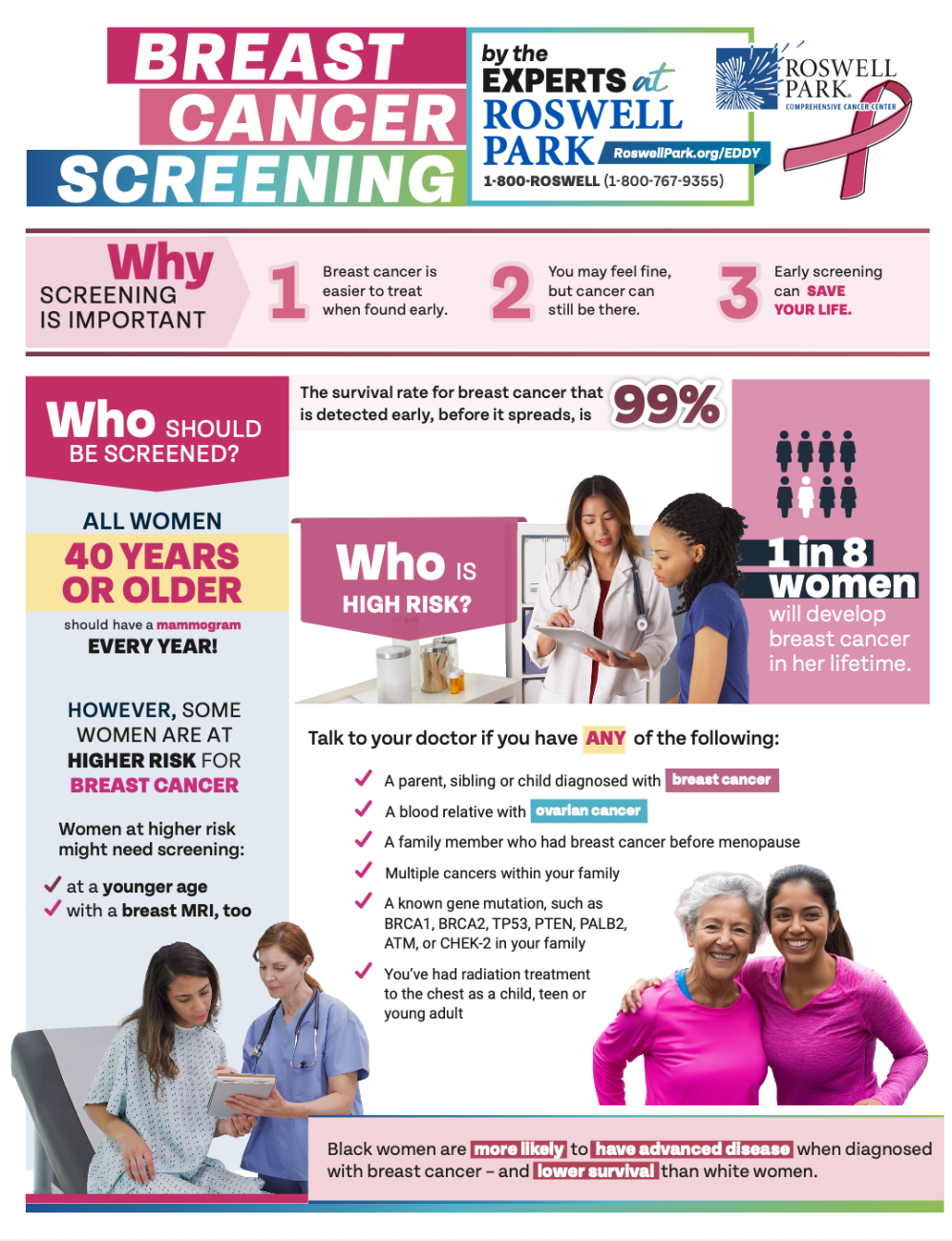
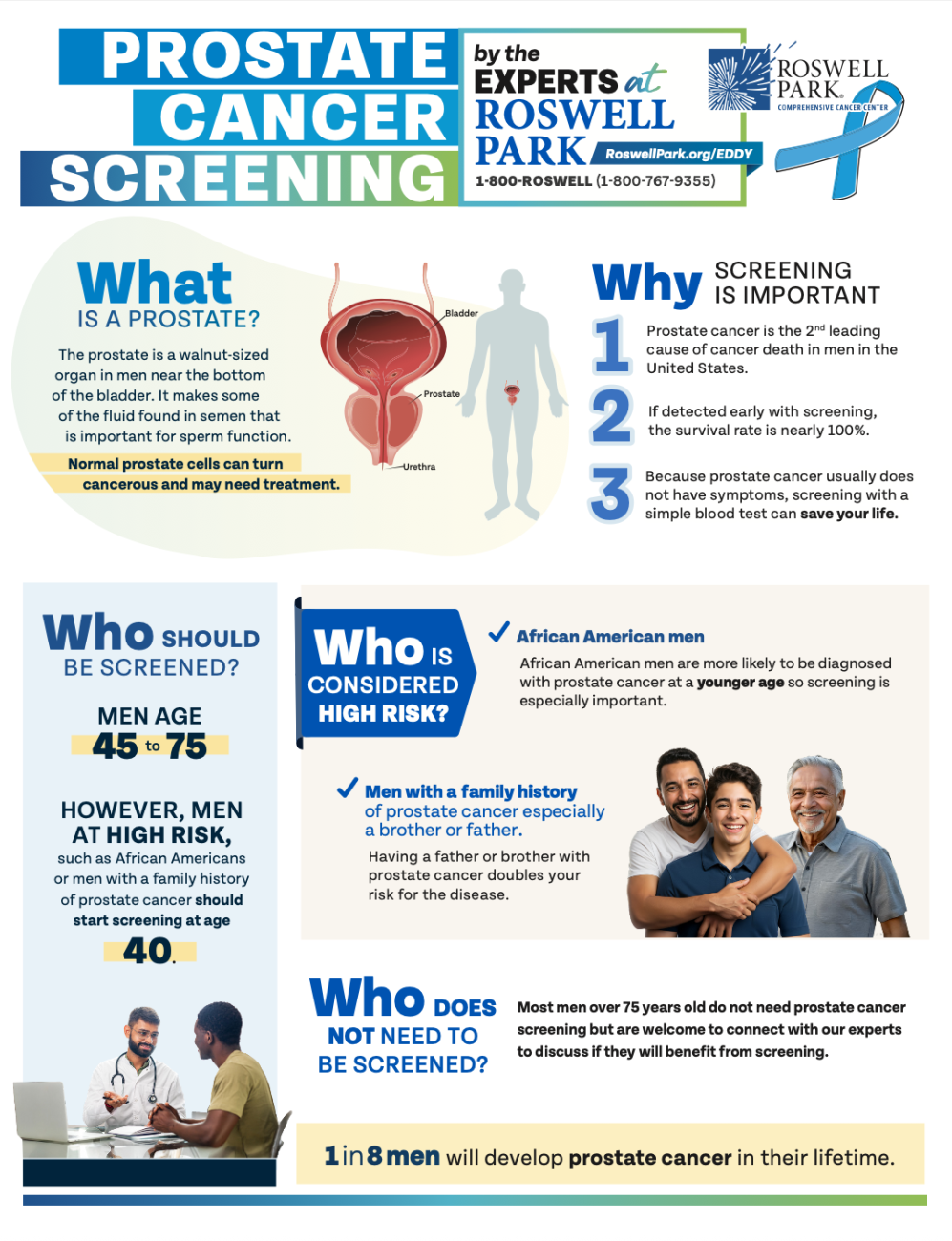
Clark-Robinson: The second Eddie, which we had a ribbon-cutting for, is for breast cancer screening and prostate cancer screening. It serves both. It's a dual kind of cancer screening mobile unit.
McNulty: So the way that we built the breast and prostate unit was in the vision of, like, a husband and wife being able to show up to get screened together. So when you walk on that unit, to the right is our prostate suite, and to the left is our breast cancer screening suite. The prostate test is just a quick blood test for PSA, and then the mammogram is what we use for breast cancer screening.
Outreach with those two groups is just this extra layer of support that I think is gonna make the program even more successful. And I think — I hope — that the higher acceptance of breast cancer screening… as I said before, you know, it's a… I don't wanna say it's easy, but it's a more accepted type of cancer screening than lung cancer screening. I hope that now with EDDY 2, people will see us out for breast and prostate screening, but also say, “oh, there's that other one for lung.” And so I hope that kind of synergy between the two is going to just help both programs grow.
Clark-Robinson: I want to see that everybody that is eligible to be screened, screened. So when we look at the Western New York, you're… and even like starting in Erie County, those screening rates, and look at the data of the people that have been screened, it just, you know, blows our socks off. We see, you know, something that we wouldn't even have expected.
I want EDDY to be a household name, you know? And when people think about EDDY, they think about easy access, not challenging, the process was actually enjoyable.
McNulty: I do this work because I think everyone deserves healthcare that is as convenient as possible for them. There's so much of our healthcare system that's really, really difficult to navigate. And since I've been at Roswell Park, I have done patient navigation to try to break down barriers in the healthcare system. And when you combine that with cancer screening — which is something relatively simple that can save a person's life, just by talking to them about it, maybe they don't know about it — I just think it's something so impactful that I can do with my time as a professional.
(Closing Credits)