There are more than 90 different subtypes of Non-Hodgkin lymphoma, including B-cell lymphomas, T-cell lymphomas and lymphomas of natural killer cells.
Non-Hodgkin lymphoma (NHL) is more common than Hodgkin lymphoma. Each year, about 77,400 people in the U.S. are diagnosed with some form of NHL.
B-cell lymphomas
Most non-Hodgkin lymphomas — about 85% of them — fall into this category, including:
Diffuse large B-cell lymphoma (DLBCL)
The most common form of non-Hodgkin lymphoma in adults, DLBCL takes its name from the fact that the lymphoma cells are large. About 30-35% of people with NHL have DLBCL, which occurs mostly in older adults. It usually begins in the chest or abdomen, armpit or neck. There are many subtypes of DLBCL.
Although it grows rapidly and is aggressive, DLBCL can be cured. Treatment options may include:
- Clinical trials of promising new therapies that may not be available elsewhere.
- Antibody therapy, a type of immunotherapy
- Antibody-drug conjugates, which latch onto proteins on the surface of cells and deliver a drug that kills the cells
- Chemotherapy
- Corticosteroids may be included in treatment plans that combine chemotherapy and immunotherapy. These drugs help improve effectiveness of chemotherapy and reduce side effects.
- Immunomodulators, drugs that affect the immune system
- Targeted therapies, drugs that interfere with the growth of cancer cells
- Radiation therapy, which kills cancer cells by damaging their DNA and/or prevents the creation of new cancer cells
- Stem cell transplant to give your body a fresh batch of stem cells to begin producing new healthy blood cells.
- CAR T-cell therapies that use your own immune cells as a living drug.
Chronic lymphocytic leukemia (CLL) / small lymphocytic lymphoma (SLL)
Chronic lymphocytic leukemia (CLL) — also called small lymphocytic lymphoma — is the most common type of adult leukemia. It occurs when the bone marrow contains too many of the cells that will eventually turn into lymphocytes (specific types of white blood cells). This can happen because the body produces too many of the cells and/or because abnormal cells don’t die off when they should. Although CLL is called leukemia, at Roswell Park, chronic lymphocytic leukemia (CLL) is treated by the Lymphoma team.
Follicular lymphoma
About 20-30% of all NHL patients have follicular lymphoma, which tends to grow slowly in most people. It affects both the bone marrow and lymph nodes in different parts of the body. Treatment options may include a clinical trial, antibody therapy, chemotherapy, corticosteroids, kinase inhibitors, immunomodulators, radioimmunotherapy, radiation therapy or hematopoietic stem cell transplant.
Mantle cell lymphoma
About 6% of lymphoma patients have this NHL subtype, which is most common in men 60 and over. It is often aggressive, and at the time of diagnosis, it is usually found in the bone marrow, lymph nodes and gastrointestinal tract. Treatment options may include active surveillance (“watchful waiting”) for slow-growing disease, targeted therapy, monoclonal antibodies, allogeneic hematopoietic stem cell transplant, tyrosine kinase inhibitors, immunomodulatory drugs or CAR T-cell therapy. Roswell Park is authorized to provide Tecartus, an FDA-approved CAR T-cell therapy against the CD19 antigen, specifically for mantle cell lymphoma.
Marginal zone lymphomas
Marginal zone lymphomas, which tend to grow slowly, make up about 5-10% of lymphomas. Treatment options depend on the specific type, but may include surgery, chemotherapy, immunotherapy, radiation therapy or interferon.
Burkitt lymphoma
This occurs more often in children than adults and represents about 1-2% of all lymphomas. In the U.S., it usually begins in the abdomen. It tends to grow quickly, so it’s important to begin treatment as soon as possible. Treatment options may include chemotherapy or a combination of chemotherapy and immunotherapy.
Lymphoplasmacytic lymphoma (Waldenstrom macroglobulinemia)
These lymphoma cells are small and occur mostly in the lymph nodes, spleen and bone marrow. This type represents only 1-2% of all lymphomas. Treatment options may include chemotherapy, immunotherapy or hematopoietic stem cell transplant.
Hairy cell leukemia
This rare lymphoma involves small lymphocytes that look as if there are little hairs around the edges. It tends to grow so slowly that treatment is not always necessary. If treatment is advised, options may include chemotherapy, monoclonal antibodies or interferon.
Primary central nervous system (CNS) lymphoma
This is diagnosed most frequently in the elderly and people whose immune systems have been weakened due to Acquired Immunodeficiency Syndrome (AIDS) or organ transplantation. It affects the central nervous system, which includes the brain and spinal cord. Although it is rare and tends to be aggressive, it can be cured. Treatment options may include surgery, chemotherapy and radiation therapy.
T-cell lymphomas
About 15% of non-Hodgkin lymphomas are T-cell lymphomas. This group includes many subtypes, including some so rare that they account for just a few new diagnoses worldwide every year. That’s why it’s important to be sure your diagnosis is made by specialists who have extensive experience in identifying specific lymphomas.
Here are the most common types:
Peripheral T-cell lymphoma not otherwise specified (PTCL-NOS)
About 25% of all T-cell lymphomas fall into this category. PTCL-NOS is a label given to lymphomas that pathologists cannot definitely match up with a type that is already known. Different patients may have very different symptoms. Treatment options for these lymphomas may include clinical trials, chemotherapy, steroids, immunomodulators, targeted therapies, radiation therapy or hematopoietic stem cell transplant.
Anaplastic large-cell lymphoma (ALCL)
About 12-15% of T-cell lymphomas fall into this group, which includes several subtypes. It affects mostly children and young adults, and more men than women. It can begin in the skin, lymph nodes or organs anywhere in your body. Treatment options for systemic ALCL (occurring throughout the body) may include chemotherapy, antibody-drug conjugates or hematopoietic stem cell transplant. Treatment options for primary cutaneous ALCL may include surgery, radiation therapy, antibody-drug conjugates or a histone deacetylase inhibitor.
Angioimmunoblastic lymphoma
Between 15-18% of all T-cell lymphomas in the U.S. are angioimmunoblastic lymphomas, which tend to grow quickly. They most often affect the elderly. Treatment options may include chemotherapy-based regimens followed by hematopoietic stem cell transplant or targeted agents in patients with relapsed/refractory disease.
Cutaneous T-cell lymphoma
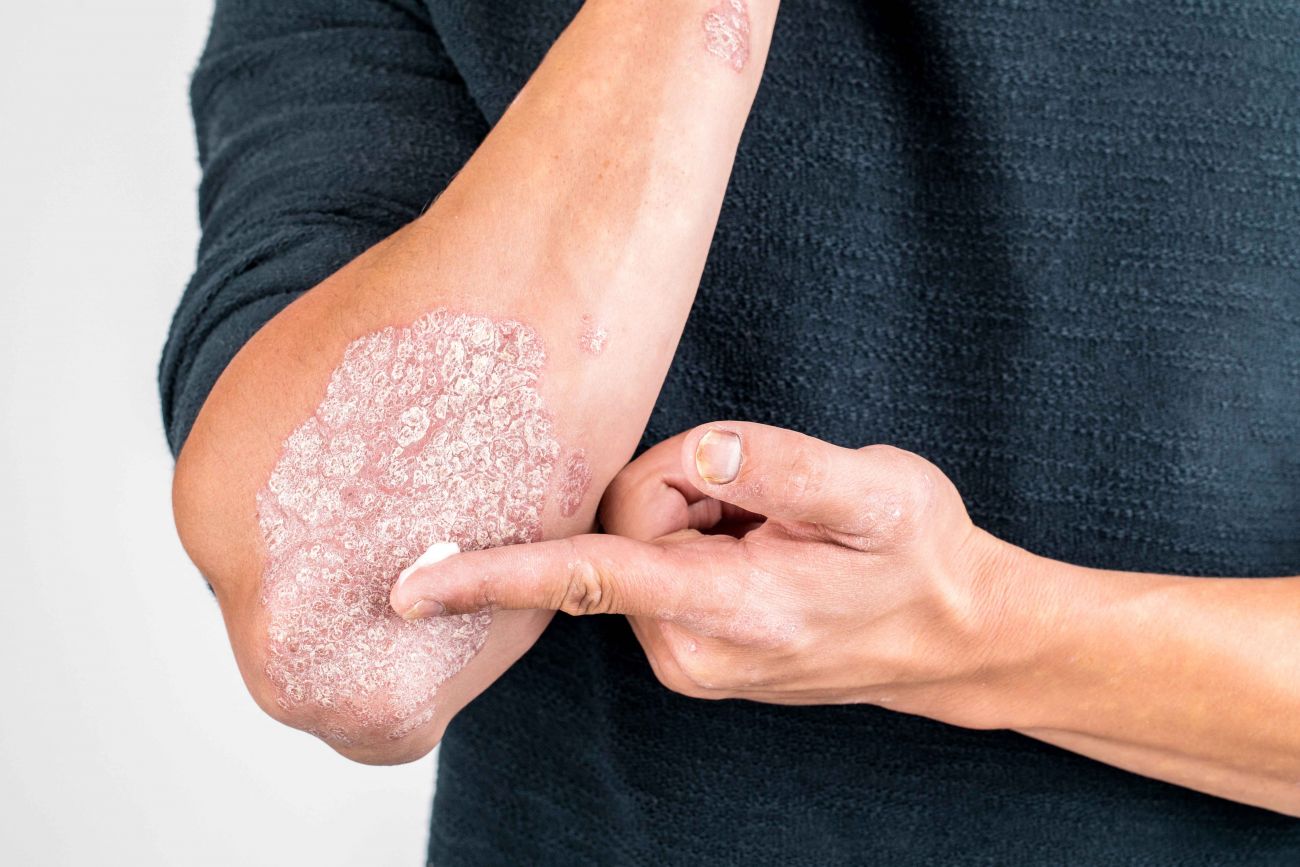
This group includes several subtypes. Cutaneous T-cell lymphomas grow slowly and make up about 2-3% of all cases of non-Hodgkin lymphoma. More men than women get CTCL, and mostly it affects people from age 40-60. CTCL cannot be cured, but patients can live with it for decades while continuing with a normal life — but they must take good care of their skin and work closely with their cancer care team.