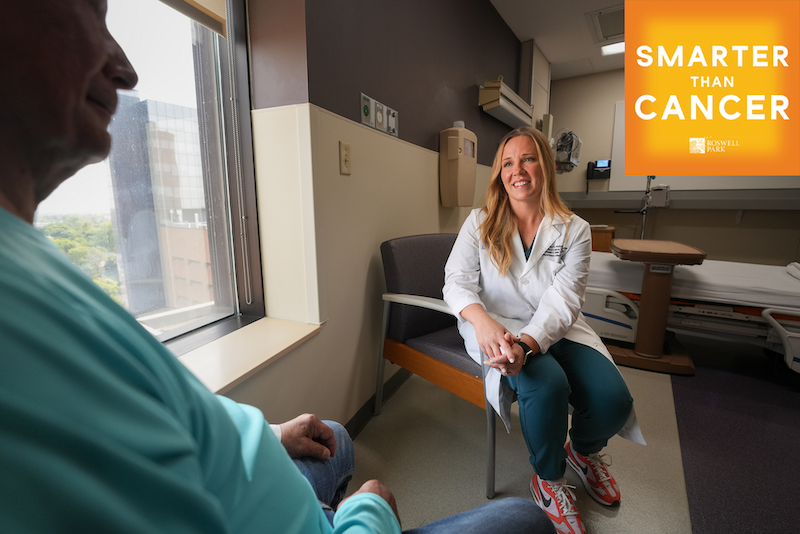
Your doctor can describe your treatment choices and the expected results. You and your doctor can work together to develop a treatment plan that meets your needs.
Your doctor may refer you to a specialist, or you may ask for a referral. Specialists who treat Hodgkin lymphoma include hematologists, medical oncologists, and radiation oncologists . Your doctor may suggest that you choose an oncologist who specializes in the treatment of Hodgkin lymphoma. Often, such doctors are associated with major academic centers. Your health care team may also include an oncology nurse and a registered dietitian.
The choice of treatment depends mainly on the following:
-
The type of your Hodgkin lymphoma (most people have classical Hodgkin lymphoma)
-
Its stage (where the lymphoma is found)
-
Whether you have a tumor that is more than 4 inches (10 centimeters) wide
-
Your age
-
Whether you've had weight loss, drenching night sweats, or fevers.
People with Hodgkin lymphoma may be treated with chemotherapy, radiation therapy, or both.
If Hodgkin lymphoma comes back after treatment, doctors call this a relapse or recurrence. People with Hodgkin lymphoma that comes back after treatment may receive high doses of chemotherapy, radiation therapy, or both, followed by stem cell transplantation.
You may want to know about side effects and how treatment may change your normal activities. Because chemotherapy and radiation therapy often damage healthy cells and tissues, side effects are common. Side effects may not be the same for each person, and they may change from one treatment session to the next. Before treatment starts, your health care team will explain possible side effects and suggest ways to help you manage them. The younger a person is, the easier it may be to cope with treatment and its side effects.
At any stage of the disease, you can have supportive care. Supportive care is treatment to prevent or fight infections, to control pain and other symptoms, to relieve the side effects of therapy, and to help you cope with the feelings that a diagnosis of cancer can bring. You can get information about coping on NCI's Website and from NCI's Cancer Information Service at 1-800-4-CANCER or LiveHelp.
You may want to talk to your doctor about taking part in a clinical trial, a research study of new treatment methods. See the Taking Part in Cancer Research section.
You may want to ask your doctor these questions before you begin treatment:
-
What type of Hodgkin lymphoma do I have? May I have a copy of the report from the pathologist?
-
What is the stage of my disease? Where are the tumors?
-
What are my treatment choices? Which do you recommend for me? Why?
-
Will I have more than one kind of treatment?
-
What are the expected benefits of each kind of treatment?
-
What are the risks and possible side effects of each treatment? What can we do to control the side effects?
-
How long will the treatment last?
-
What can I do to prepare for treatment?
-
Will I need to stay in the hospital? If so, for how long?
-
What is the treatment likely to cost? Will my insurance cover the cost?
-
How will treatment affect my normal activities?
-
Would a clinical trial be right for me?
-
How often should I have checkups after treatment?