
With the latest cellular therapies and other next-generation treatments, we’ve entered a hopeful new era for patients with lymphoma.
Lymphoma is a complex disease — with more than 90 subtypes and each with a distinct behavior and response to treatment. At Roswell Park, our lymphoma experts have deep experience in all lymphoma types.

Why Roswell Park for lymphoma?
With lymphoma, your very first treatment offers your best chance for a cure. Learn how the world-renowned experts at Roswell Park ensure your first treatment is the right path forward for you.
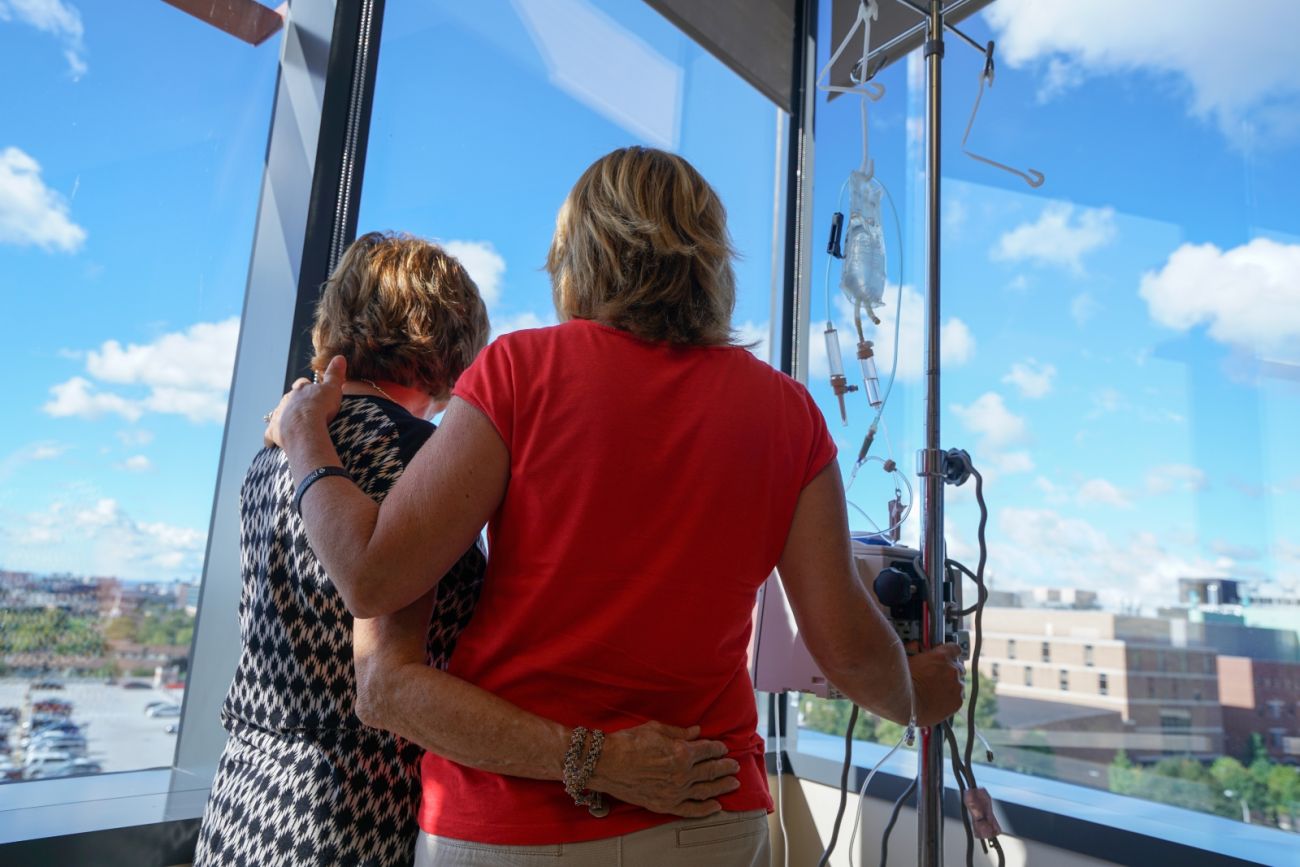
Treatment for lymphoma
If you have lymphoma, you need the latest therapies today. We have access to the newest options years before they become available to other providers.
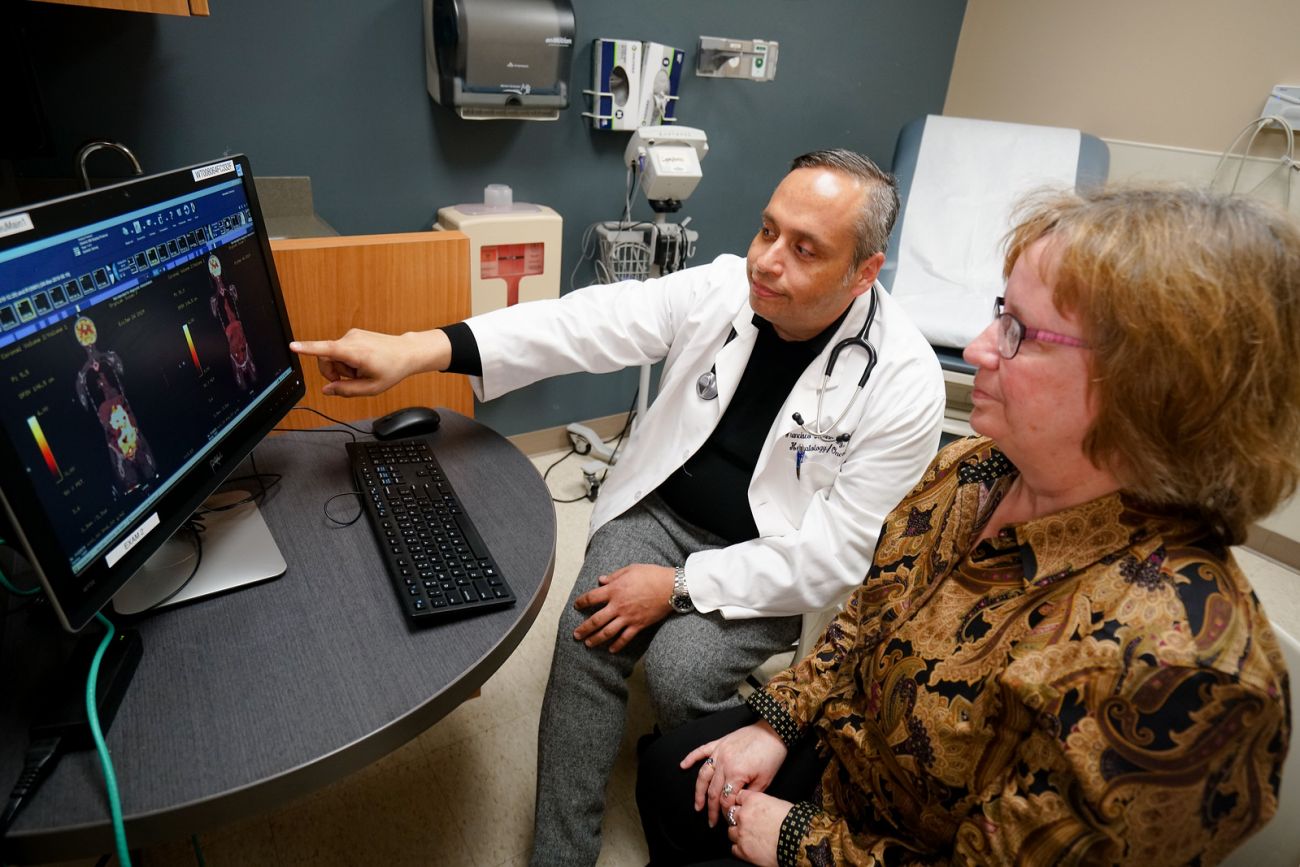
CAR T-cell therapies
These revolutionary treatments engineer a patient’s own immune cells to fight the cancer, creating a “living drug.”